
Affiliate disclosure: This post contains affiliate links. See my full disclosure.
I will say the quiet part out loud: the year after our first kid, my husband and I almost did not make it.
We loved each other. We were committed. We had survived medical school, two cross-country moves, and a global pandemic. And then we had a baby and turned into the world’s most polite roommates, passing each other in the kitchen with phrases like “did you feed her” and “we are out of diapers.”
If you are nodding right now, you are not broken. According to Gottman Institute research, 67 percent of couples experience a significant drop in relationship satisfaction within the first three years of having a baby. That is the majority of new parents feeling exactly what you are feeling.

What they do not tell you: the disconnect is fixable. But not with a Pinterest-perfect monthly date night that requires three hours of planning, a babysitter you cannot find, and energy you do not have. The couples who actually reconnect do tiny things, every day, that take less than 5 minutes. That is the real secret.
Why Do Couples Drift Apart After Having Kids?
Couples drift apart because parenthood removes almost every “protective factor” that keeps a relationship strong: alone time, deep conversation, physical affection, shared activities, and sleep. When all five disappear at once, even the strongest relationships strain.
Specifically, here is what research from the BBC and Journal of Family Psychology identifies as the biggest culprits:
- Sleep deprivation destroys empathy, patience, and emotional regulation
- Uneven mental load creates invisible resentment (one parent tracks every doctor appointment, supply, and feeding schedule)
- Identity shifts happen for both parents and you become slightly different people
- Touched out exhaustion from full-day caregiving makes physical affection feel like one more demand
- Logistics conversations replace emotional ones (“did you feed him” instead of “how are you really”)
- Missed bids for connection add up. Tiny rejections accumulate over months
The 5-Minute Connection Habits That Actually Work
The couples who survive the young-kids years do not magically have more time. They use the small windows they DO have intentionally. Here are the habits I have stolen from couples therapy research, ADHD parenting communities, and 4 years of trial and error.

1. The 6-Second Kiss
Dr. John Gottman recommends a daily 6-second kiss because anything shorter is a hi-and-bye peck and anything longer is too much pressure. Six seconds is long enough to feel intentional. Do it before one of you leaves the house and again when they come home. That is it. Two times a day, twelve seconds total, and it works.
2. The Daily 5-Minute Stress Dump
Once a day, ask each other “what was the worst part of today” and “what was the best part of today.” No problem-solving. No advice. Just listening. Couples therapists call this the stress-reducing conversation and it is one of the highest-impact 5-minute habits in marriage research. We do ours during the kid bedtime routine handoff.
3. Real Hug at the Shift Change
When you are passing the kid back and forth, pause for a 10-second hug first. South Denver Therapy calls this “interrupting the factory shift-change feeling.” It physically reminds you that you are partners, not just co-managers of a tiny chaos agent.
4. One Daily Text Check-In
Send your partner one non-logistical text per day. Not “what time will you be home.” Not “we are out of milk.” Something like “thinking about that thing you said this morning” or “I love you” or a memory or a funny GIF. The bar is low. The impact is huge.
5. Phone Down at Bedtime
The 30 minutes between getting the kids down and falling asleep is the single biggest connection window most parents have. If you both spend it scrolling, you lose it. Try just 3 nights a week with no phones. Talk, snuggle, watch one episode together, whatever. This is the practice the Simi Psychological Group calls “disconnecting together.”

How Often Should Couples With Young Kids Have Date Nights?
The research-backed answer: aim for one focused date once a month and one at-home date night per week. Anything more frequent is unrealistic for most parents. Anything less frequent and you start losing the shared joy that holds a partnership together.
The most important shift: stop thinking “date night = leaving the house.” At-home dates after kids are in bed count. Eating takeout in the dining room with no phones counts. Watching one episode of a show together counts. According to Live Well Play Together, the consistency matters more than the venue.
Easy At-Home Date Night Ideas (No Sitter Required)
- Porch Life: Drink wine on the back porch after kids are down. No phones. Just talk.
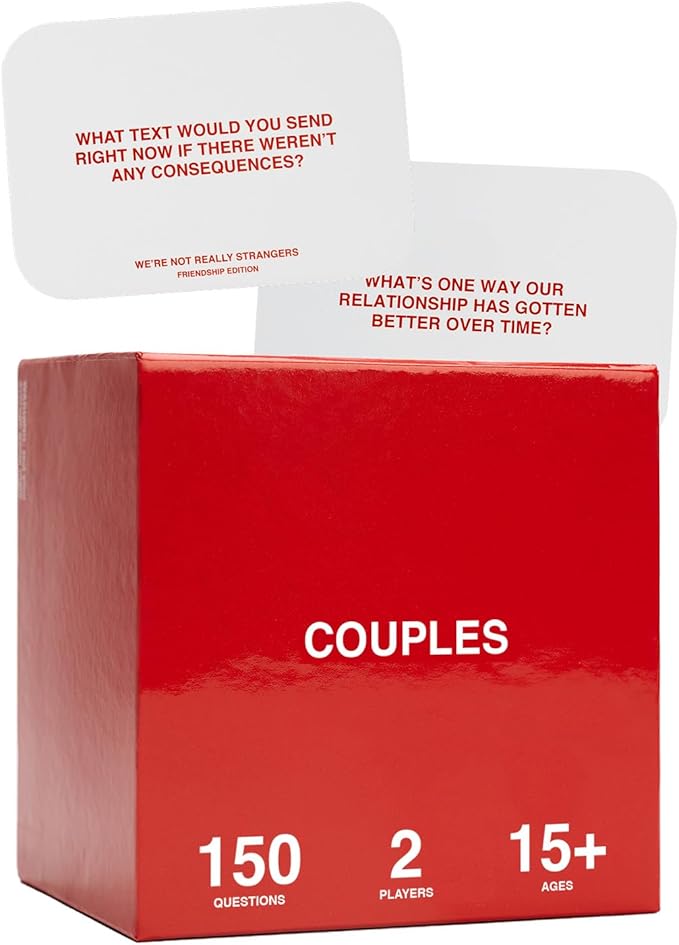
- Conversation cards: Pull a card. Answer the question. That is the whole date.
- Cooking date: Make a meal together after bedtime. Light candles. Pretend you are at a restaurant.
- Wedding video night: Watch your wedding video and remember who you were. Order dessert.
- Old photos and stories: Scroll through pre-kids photos and tell stories you have forgotten.
- Sundae bar: Set out toppings, build sundaes, eat them on the floor.
The Best Tools to Reconnect With Your Partner
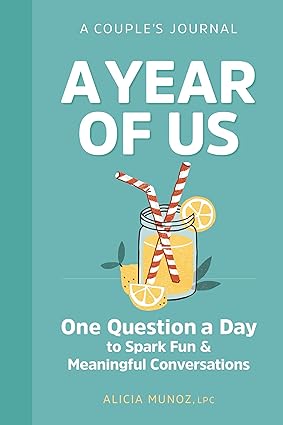
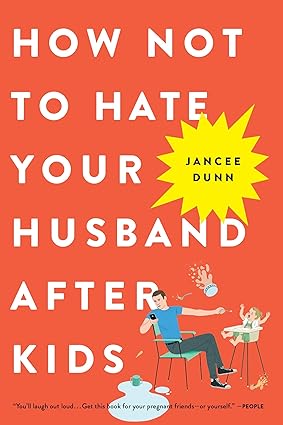
I am skeptical of “marriage products” generally, but a few of these have genuinely shifted how my husband and I show up for each other. They are also affordable, take zero planning, and require no babysitter.



What If My Partner Will Not Engage in Reconnecting?
Lead with curiosity, not complaints. If your partner shuts down when you bring up the relationship, the issue is usually that they feel criticized, not that they do not care. Try this exact phrase: “I miss you. Can we do something small together this week, just the two of us?” That is it. No framing it as “we have a problem.” No big sit-down conversation.
If they still resist after multiple low-stakes attempts, that is when couples therapy becomes a reasonable next step. Gottman research shows that couples who go to therapy before things get really bad have far better outcomes than those who wait until they are already considering separation. There is also no shame in it. Most of the couples I know who have stayed strong through the young-kids years have done at least a few sessions.
(If your kid is also adding stress to the mix, our guide on handling meltdowns can take some of the daily friction off so you have more bandwidth for each other.)
FAQ
Why do I feel disconnected from my husband after having a baby?
Feeling disconnected after a baby is extremely common. Research from the Gottman Institute shows 67 percent of couples experience a significant drop in relationship satisfaction in the first three years after baby. The combination of sleep deprivation, uneven mental load, identity shifts, and zero alone time creates distance. It does not mean your relationship is failing. It means your connection needs intentional attention right now.
How do I reconnect with my partner when we have no time?
Use the 5-minute windows you already have. A 6-second daily kiss, a daily stress-reducing conversation (“worst part, best part”), one non-logistical text per day, and 30 minutes of phone-free time at bedtime are all backed by couples therapy research and take less than 5 minutes total per day.
How long does it take for couples to feel connected again after baby?
Without intentional effort, the disconnected feeling can last up to three years according to Gottman Institute research. With consistent small efforts (5-minute habits, weekly at-home dates, monthly conversations about division of labor), most couples report feeling reconnected within 6 to 12 months. Some couples find their relationship is stronger than before because they learned new communication skills.
Are date nights worth it when you have young kids?
Yes, but the type of date matters more than the venue. Research from the BBC and couples therapists shows consistency beats grandeur: a weekly 30-minute at-home date is more impactful than a monthly elaborate night out. Date nights that require less planning are easier to sustain, which makes them work better long-term.
What is the most important thing for a marriage with young kids?
Discussing the mental load and division of labor explicitly, not assuming. Gottman research and couples therapists consistently identify uneven invisible labor as the single biggest source of resentment in marriages with young kids. Have a 15-minute weekly check-in to discuss what is on each of your plates and what needs to shift.