Affiliate disclosure: This post contains affiliate links. See my full disclosure.
Let me describe a typical Tuesday at 5pm: I am trying to make dinner. Both kids are bored. The TV is “boring.” Snacks have been refused. I have suggested: blocks (no), dolls (no), the slime kit my mom bought them (absolutely not), and going outside (extreme protest). I am minutes from offering the iPad and quietly judging myself.
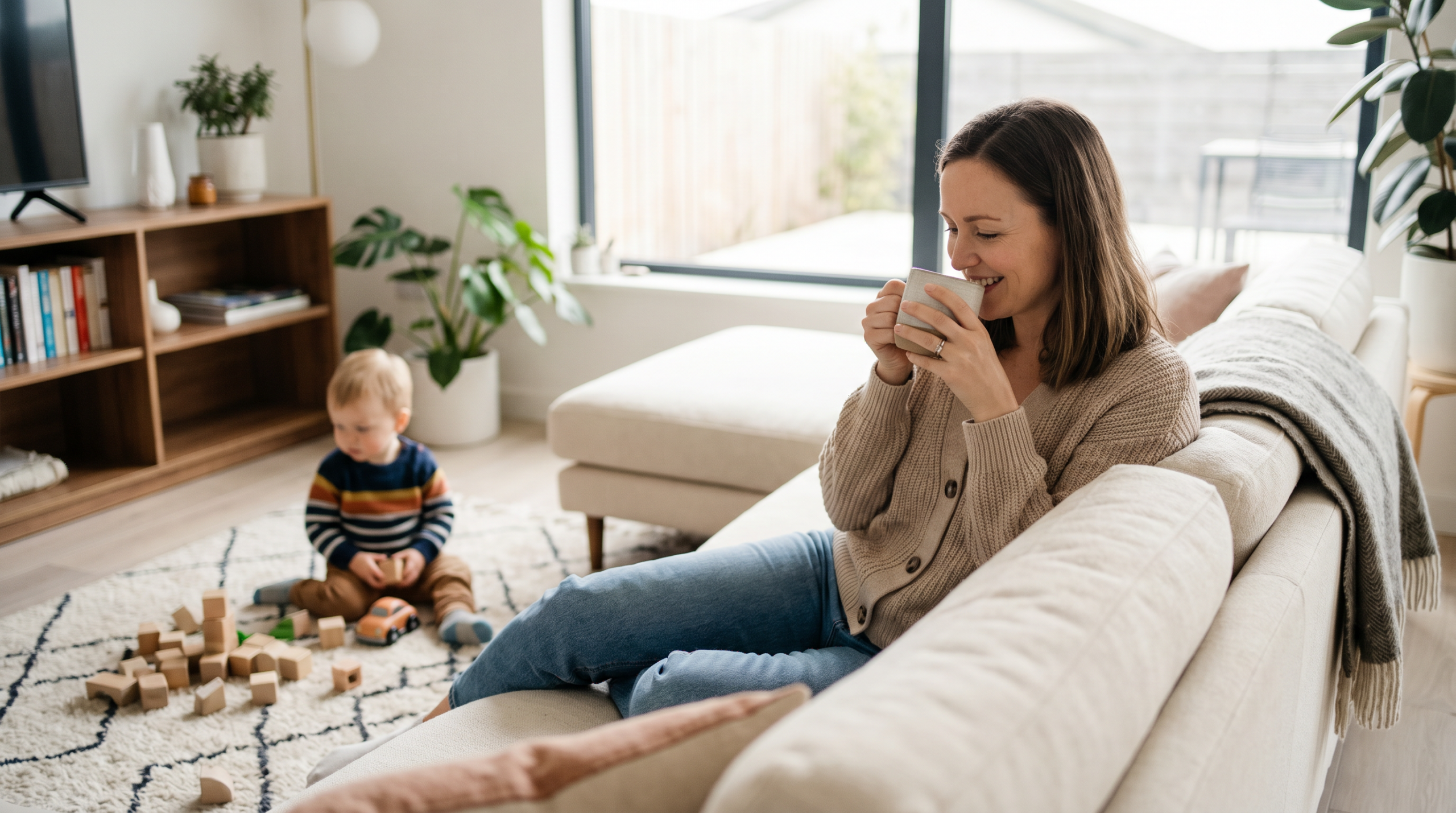
This is the moment a truly great toy earns its keep. Not the ones that look good in the Target aisle. The ones that, when handed over, produce 30+ minutes of silent concentration while I finish the chicken without being asked one more thing. That is the only metric I care about anymore.
I have stress-tested every “best independent play toy” list on the internet. Most of them are garbage. They include things like “art supplies” (translation: 4 minutes of play, 90 minutes of cleanup) or “puzzles” (one and done). Below are the 5 toys that have actually delivered in our house, ranked by the average minutes of solo play they buy a 4-7 year old. Receipts included.
What Toys Keep Kids Busy the Longest?
The toys that keep kids busy the longest are open-ended toys with a strong sensory or building component. According to Modern Parents Messy Kids and Reddit threads in r/Preschoolers, the consistent winners are: magnetic building tiles, kinetic sand, playdough, Duplo/Lego, and Hot Wheels with track sets. The reason they outperform other toys is that they are infinitely reconfigurable, which means kids do not “finish” them the way they finish a puzzle or a coloring book.
The data nobody talks about: even the best toy will only buy you maybe 60 percent of its full play value if your kid is being passively entertained. The trick is to set up a “play invitation” (a small scene already started for them) and walk away. That is what unlocks the full minutes.
Why “Educational” Toys Often Fail
- Battery-powered toys entertain the kid for 5 minutes, then play the same 4 songs forever. Kids tune them out fast.
- Toys with one purpose (puzzles, board games, single-pose dolls) get played with once.
- Toys requiring you to play (most “educational” sets) defeat the entire purpose of independent play.
- Trendy toys (Hatchimals, Fingerlings, etc.) have a 3-week shelf life and then live in the donate pile.
The 5 Best Toys for Independent Play, Ranked by Minutes Bought
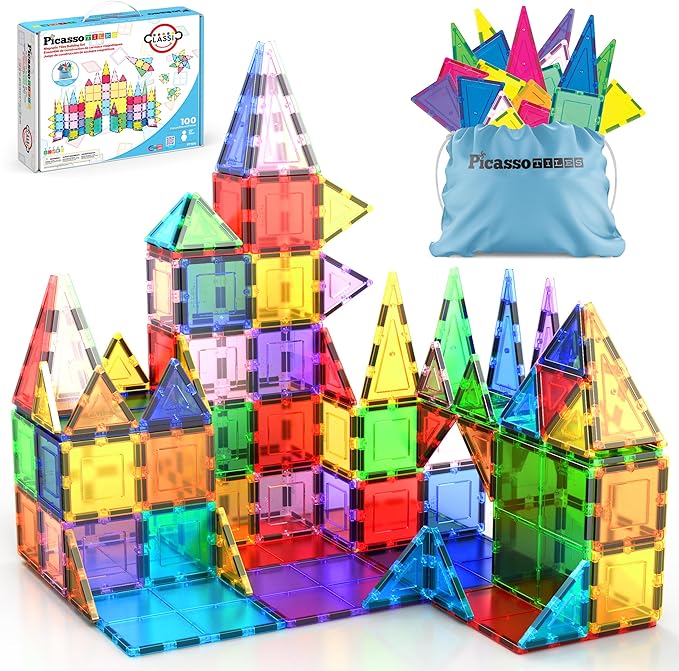
1. Magnetic Tiles — 60-90+ minutes (the GOAT)
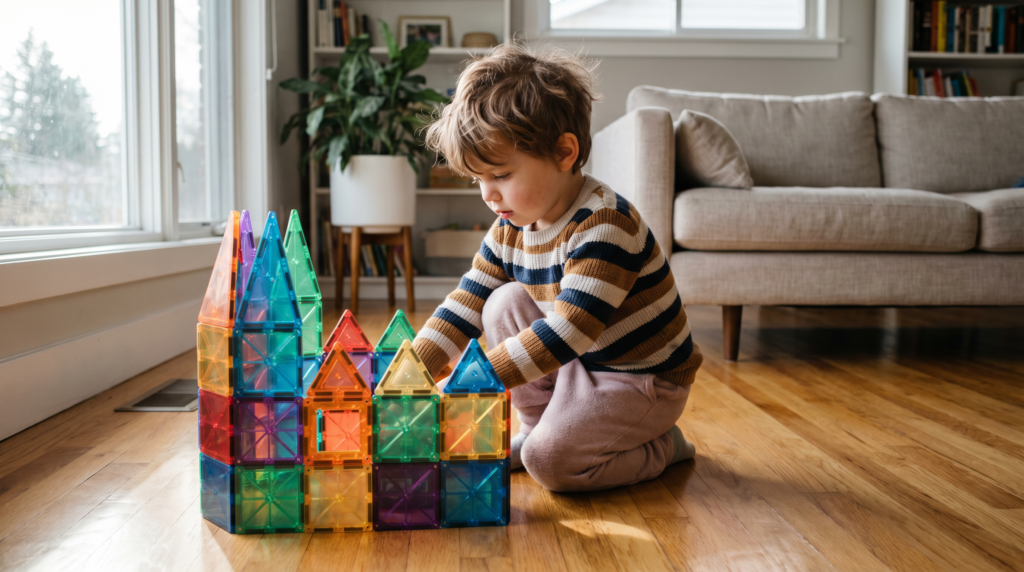
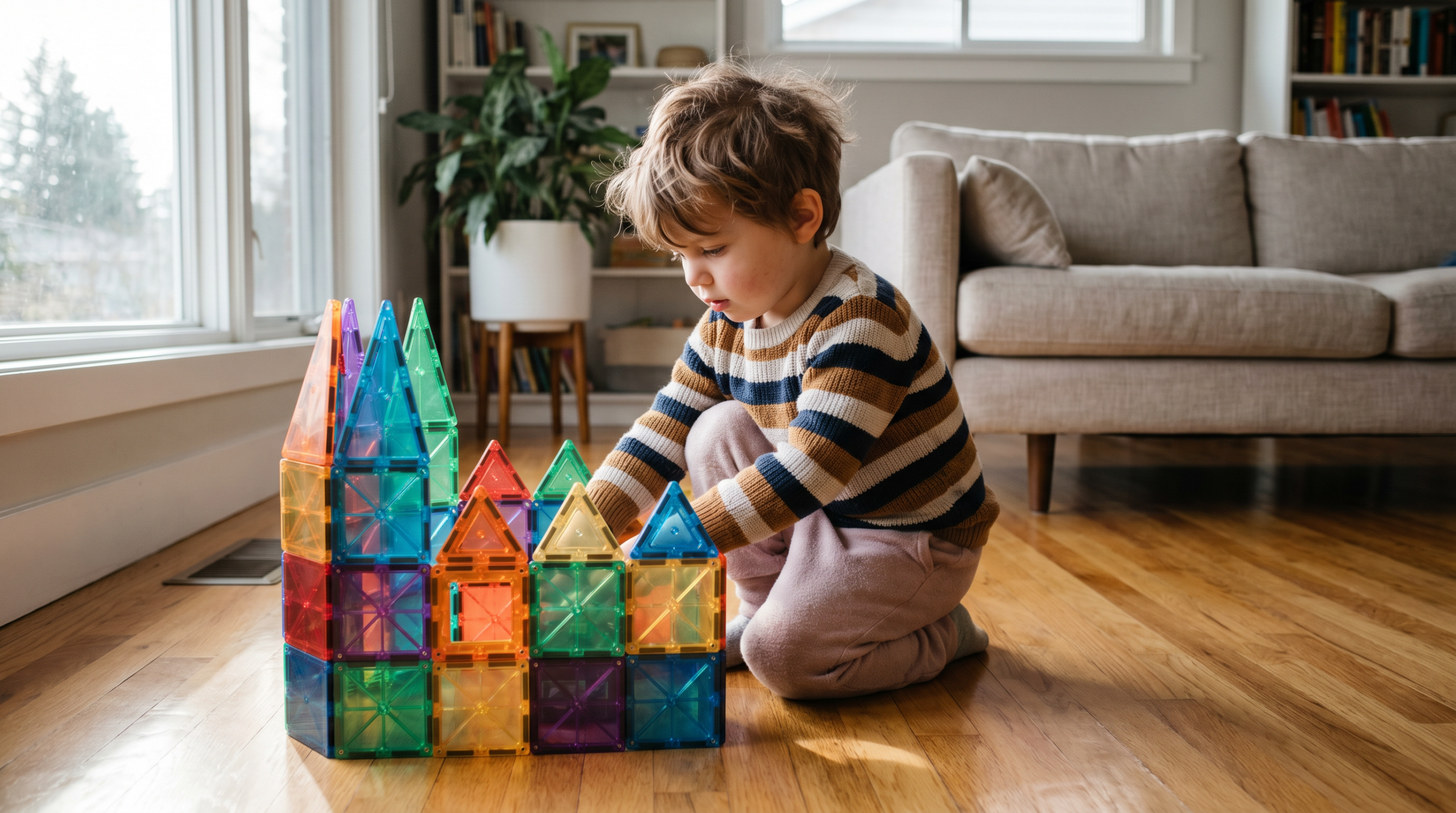
Magnetic tiles are the undisputed champion of independent play. Reddit moms in r/Mommit consistently call these the #1 toy for self-entertainment, and they buy us at least an hour every single time they come out. The reason they work: every build is different, they snap together fast (so kids do not get stuck and frustrated), and they look beautiful (which makes kids proud of their creations).
Pair them with: small toys (animals, cars, tiny figurines). Suddenly your kid is making a “magnetic tile garage” or “castle for the dinosaurs.” Genuinely the best $30 you will ever spend on a toy.
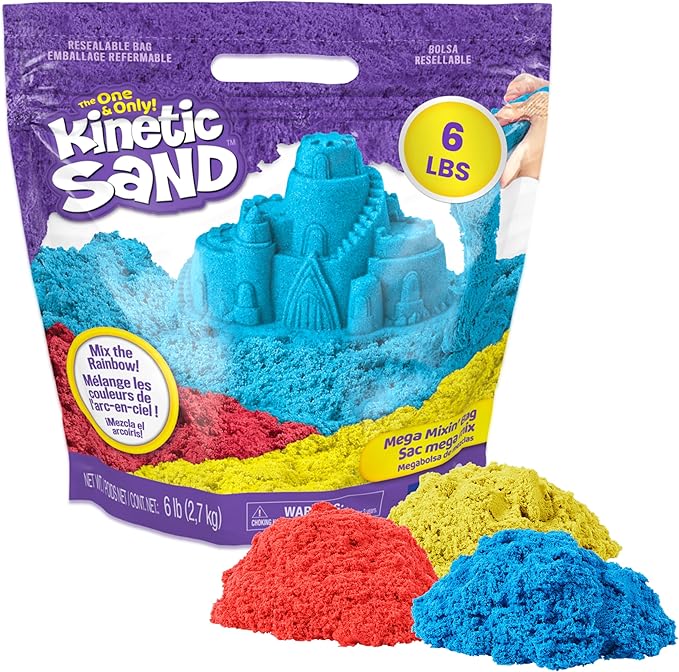
2. Kinetic Sand — 45-60 minutes (sensory gold)
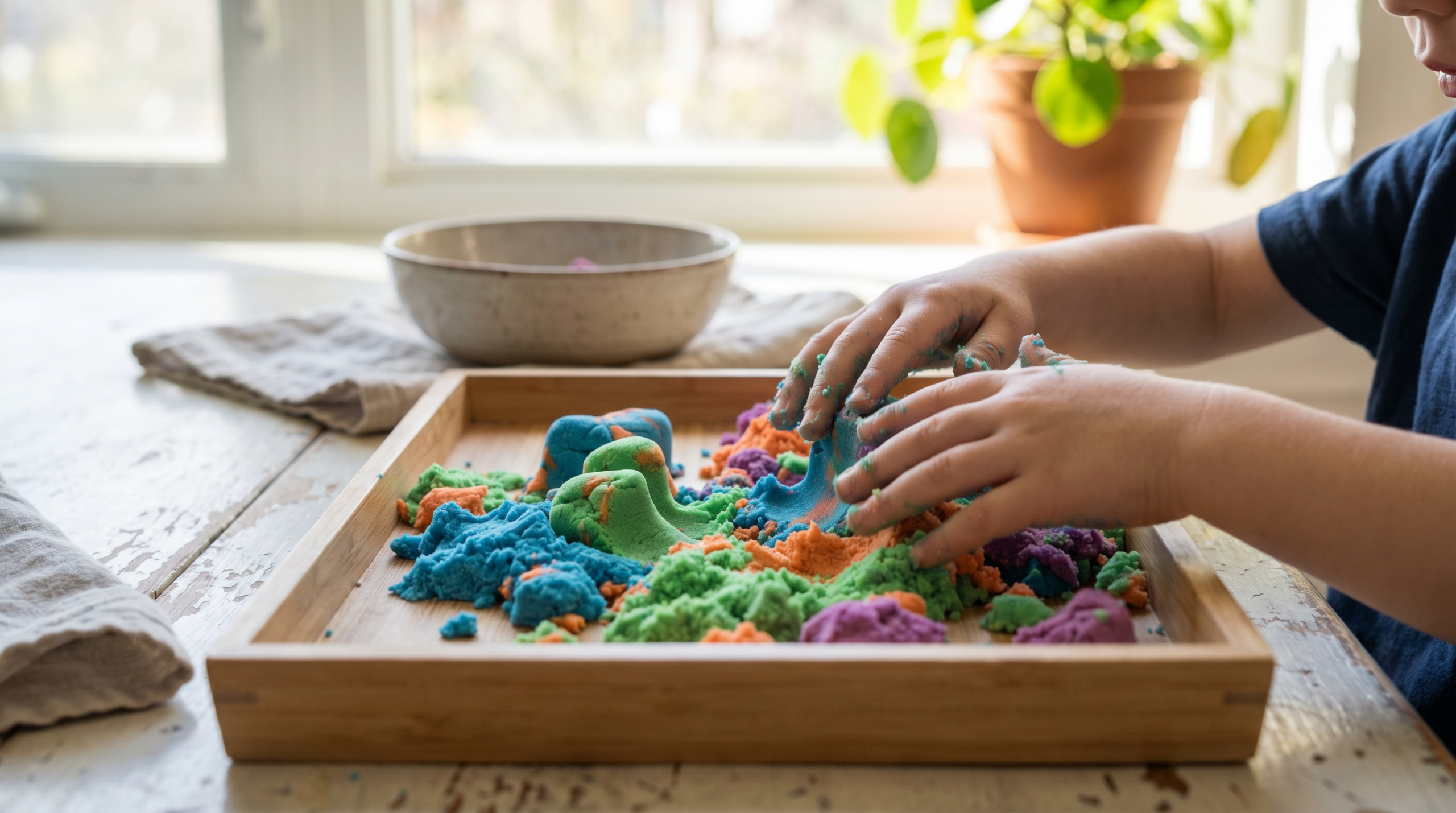
Kinetic sand is the closest you will get to a magic spell. Kids dig in and disappear. The tactile sensation is genuinely calming for ADHD kids and just plain mesmerizing for everyone else. Set it up in a tray on the kitchen table while you cook. Add cookie cutters, plastic animals, or small scoops to extend the play.
The 6-pound bag is the move. The little 1-pound boxes will not hold a kid’s attention as long because there is not enough sand to actually build anything.
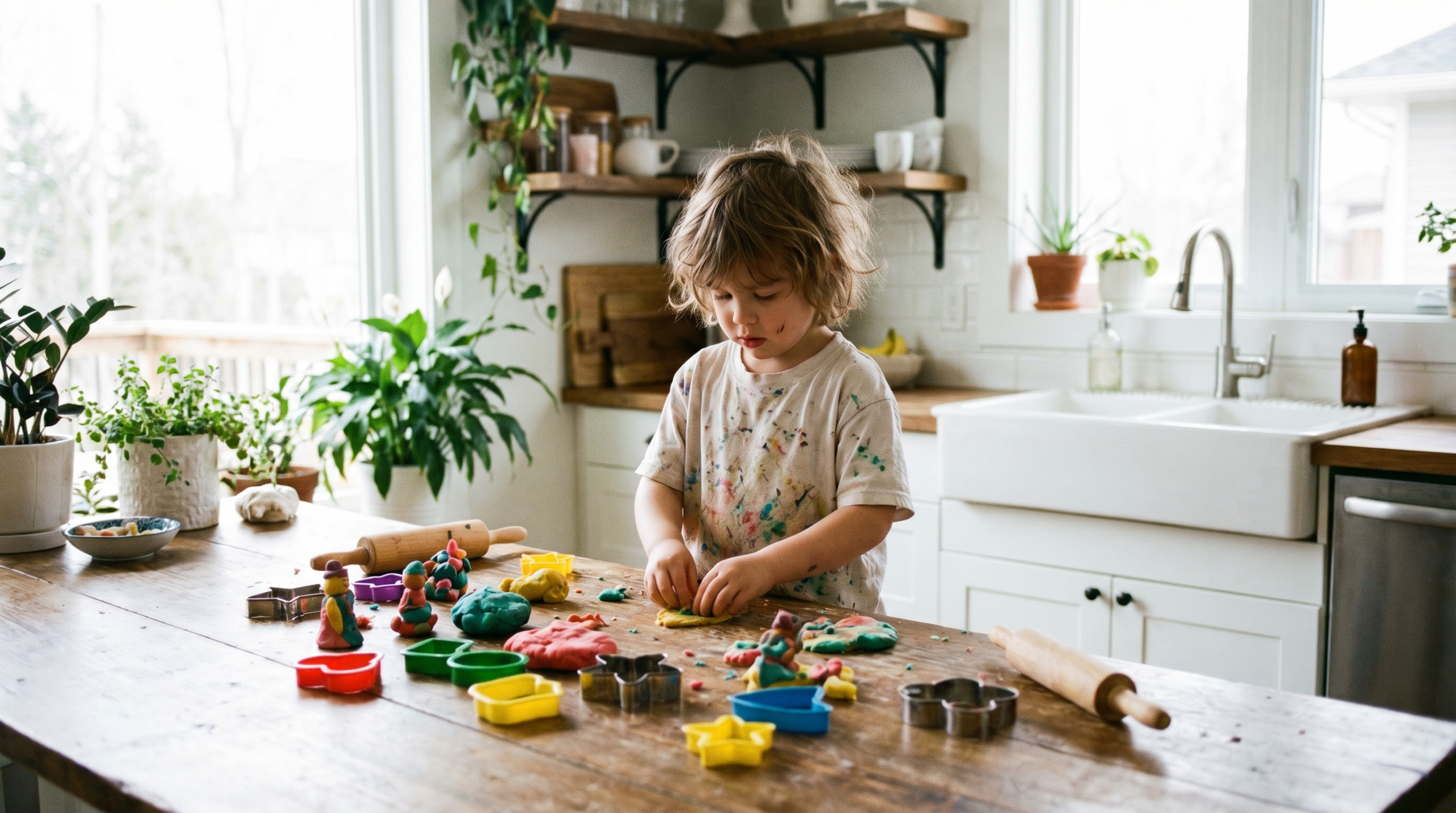
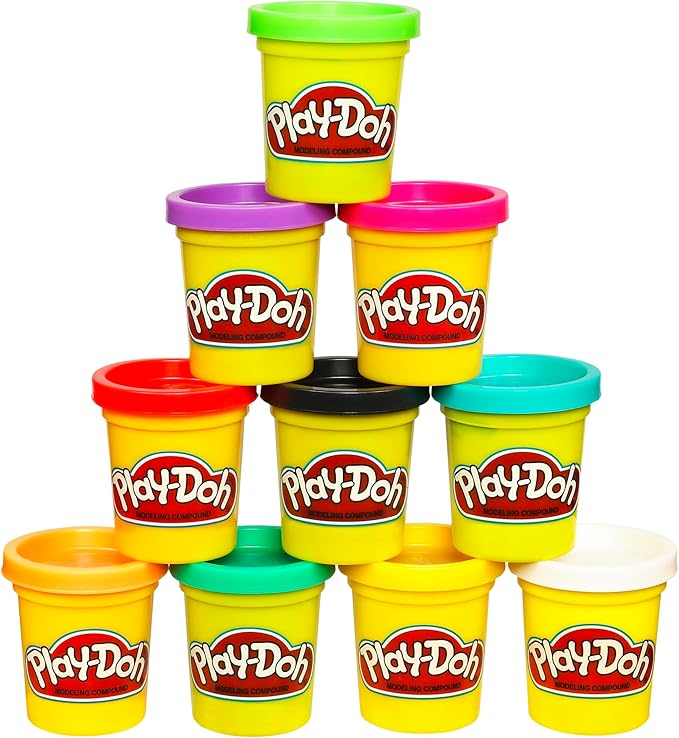
3. Playdough — 30-45 minutes (classic for a reason)
Playdough is the underdog of this list. It is cheap, every kid loves it, and it is one of the most consistent independent play toys in existence. The trick is having ENOUGH of it. A single small pot is good for 8 minutes. A 10-pack with cookie cutters? An hour easy.
For older kids (5+), you can level it up with playdough “challenges” — I write a few prompts on slips of paper (“make a snail,” “make a pizza”) and they pick one and go.
4. STEM Building Kits — 30-45 minutes (for kids 5+)
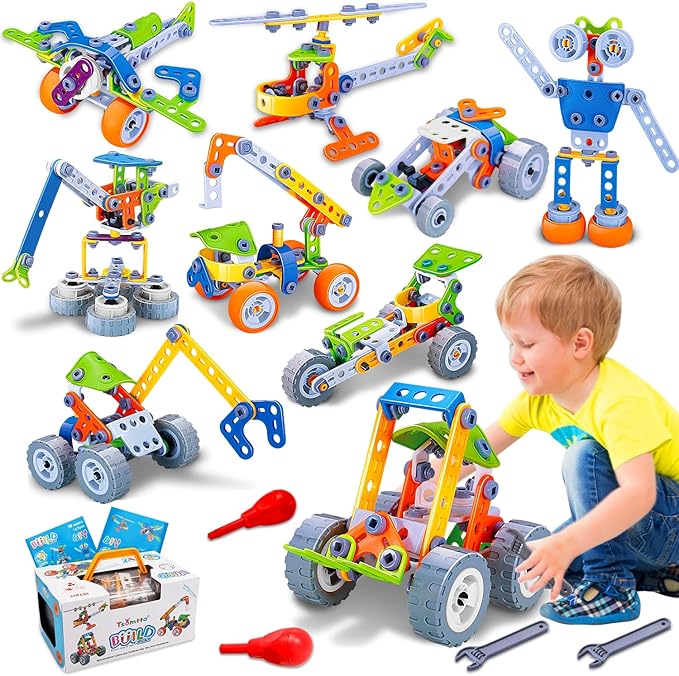
STEM building kits like the 10-in-1 sets are a sweet spot for older kids. They have just enough structure (instructions, parts that fit together) to feel like a real “project,” but enough open-endedness to keep them engaged across multiple sessions. My 7-year-old has built and rebuilt his 10 different times.
Heads up: these have small pieces. Not a fit for households with babies or toddlers who put everything in their mouth. (For little ones, see our taste-safe sensory bin guide instead.)
5. Busy Board / Sensory Book — 20-30 minutes (for ages 1-4)
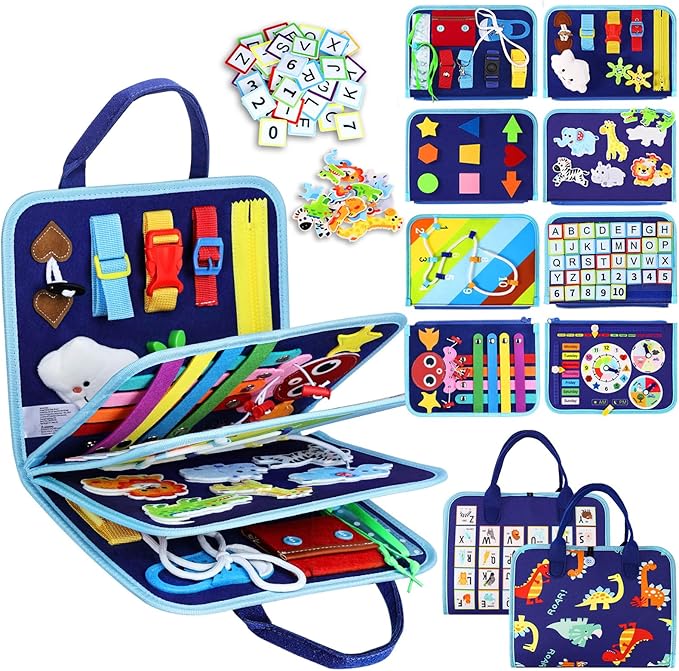
Busy boards are the only thing on this list that works for toddlers, and they are clutch. Buckles, zippers, snaps, laces — they hit the developmental sweet spot of “challenging but doable” so kids stay engaged. Bonus: they fold up like a book and travel well, so they double as airplane and restaurant entertainment.
The Exact Toys (With Affiliate Links)
How Do I Get My Kid to Play Independently?
The trick is “play invitations” — you set up the toy for them, then walk away. Do not stay and engage. According to child development research summarized by Stay at Home Activity Mom, kids who struggle with independent play often need 1-2 minutes of you starting the scene before they can take over. After that, leave. Do not narrate, do not ask “what are you making?” — just go.
The Reset Trick When Nothing Is Working
If your kid is bouncing off the walls and refusing every toy, it usually means they are overstimulated, not understimulated. Try this:
- Put away ALL the visible toys
- Set out ONE thing on a clean surface
- Show interest, do one piece, then walk away
Toy rotation is real and it works. Kids cannot focus when they have 47 options. (We use the same overload-reset principle in our 15-minute cleaning routine — less stuff = more focus.)
What Are the Best Independent Play Toys for ADHD Kids?
For ADHD kids specifically, look for toys with strong sensory or kinetic components: kinetic sand, magnetic tiles, fidget-style busy boards, and Lego/Duplo. Avoid toys that require sustained attention to one rule (most board games, complex puzzles). The toys on this list are all ADHD-friendly because they reward novelty and let kids switch between sub-activities mid-play.
For sensory-seeking ADHD kids especially, kinetic sand and playdough are top performers because the tactile input is regulating, not distracting. (We cover this more in our emotional regulation guide.)
FAQ
What toys keep 4-year-olds busy the longest?
Magnetic tiles, kinetic sand, and Play-Doh consistently top the lists for ages 4-5. According to Reddit parents, magnetic tiles average 45-90 minutes of independent play, kinetic sand 30-60 minutes, and Play-Doh 30-45 minutes. Open-ended toys outperform structured toys at this age because kids are at peak imaginative play.
What is the best toy for independent play?
Magnetic building tiles are consistently rated the best toy for independent play across age 3-8. They combine open-ended building, satisfying tactile feedback, fast results (so kids do not get frustrated), and infinite reconfigurability. PicassoTiles 100-piece sets are the most cost-effective version of this toy.
How long should a 4-year-old play independently?
Most child development experts say 4-year-olds can play independently for 20-30 minutes at a time when given an engaging open-ended toy and a calm environment. Kids who consistently struggle to play alone often need more practice and modeling, not different toys. Building independent play is a skill that requires gentle coaching.
Are magnetic tiles worth the money?
Yes — magnetic tiles consistently rank as the highest-value toy purchase by parenting communities. The PicassoTiles 100-piece set at around $30 typically outlasts and outplays toys 5x the price. They work for ages 3-10+ and survive years of daily use, making the cost-per-hour-of-play essentially negligible.
What toys do moms regret buying?
The most commonly regretted toys are: light-up battery-powered toys (kids tune them out fast), trendy character toys (3-week interest cycle), elaborate art kits with single-use components, and large plastic playsets that take up space without much play value. Stick to open-ended toys with no batteries.