If you have a kid with ADHD, you probably know this battle.
You say, “Go brush your teeth.”
Five minutes later they are reorganizing rocks, building a Lego tower, or staring into space… and the toothbrush is still dry.
You remind them again.
Then suddenly it turns into a full meltdown over two minutes of brushing.
It can feel confusing because brushing teeth seems like such a simple task. But for kids with ADHD, it often is not simple at all.
There are a few real reasons this happens.
ADHD Makes “Boring” Tasks Extremely Hard
ADHD brains run on dopamine.
Tasks that are exciting, novel, or rewarding light up the brain. Things that feel repetitive or boring do not.
Brushing teeth falls firmly into the “boring chore” category.
It has:
- no novelty
- no challenge
- no immediate reward
So the ADHD brain naturally avoids it.
Your child is not being lazy. Their brain simply struggles to start tasks that do not provide stimulation.
Task Initiation Is a Big ADHD Struggle
Another ADHD trait is task initiation difficulty.
Even if your child knows they need to brush their teeth, their brain may struggle to start the task.
Parents often see this as:
- stalling
- wandering off
- getting distracted
- doing five other things first
But this is actually an executive function issue.
The brain has trouble shifting from one activity to another.
Sensory Issues Can Make Brushing Uncomfortable
Many kids with ADHD also have sensory sensitivities.
Tooth brushing can include several sensory triggers:
- strong mint flavors
- the vibration of electric toothbrushes
- the feeling of foam
- the texture of bristles
For some kids, it is genuinely uncomfortable.
If your child hates brushing, it may be worth trying:
- softer toothbrushes
- different toothpaste flavors
- kids electric toothbrushes with gentle settings
Sometimes a simple sensory change makes a huge difference.
ADHD Kids Struggle With Routines
Brushing teeth requires routine and consistency.
Those are two things ADHD brains struggle with.
Kids with ADHD often:
- forget steps
- lose track of time
- struggle with transitions
So even when they want to cooperate, the routine may fall apart.
What Actually Helps ADHD Kids Brush Their Teeth
Instead of forcing the routine harder, it usually works better to make the task more engaging or easier to start.
Some things that help many ADHD families:
1. Use timers or music
Two minute songs make brushing feel more like a game.
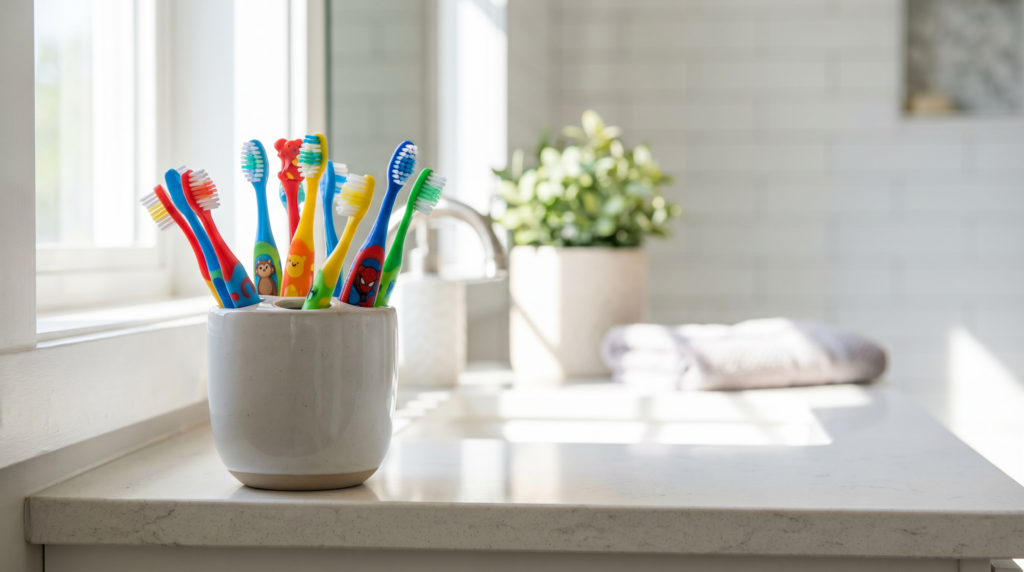
2. Let kids choose their toothbrush
Character brushes or colorful electric toothbrushes increase motivation.
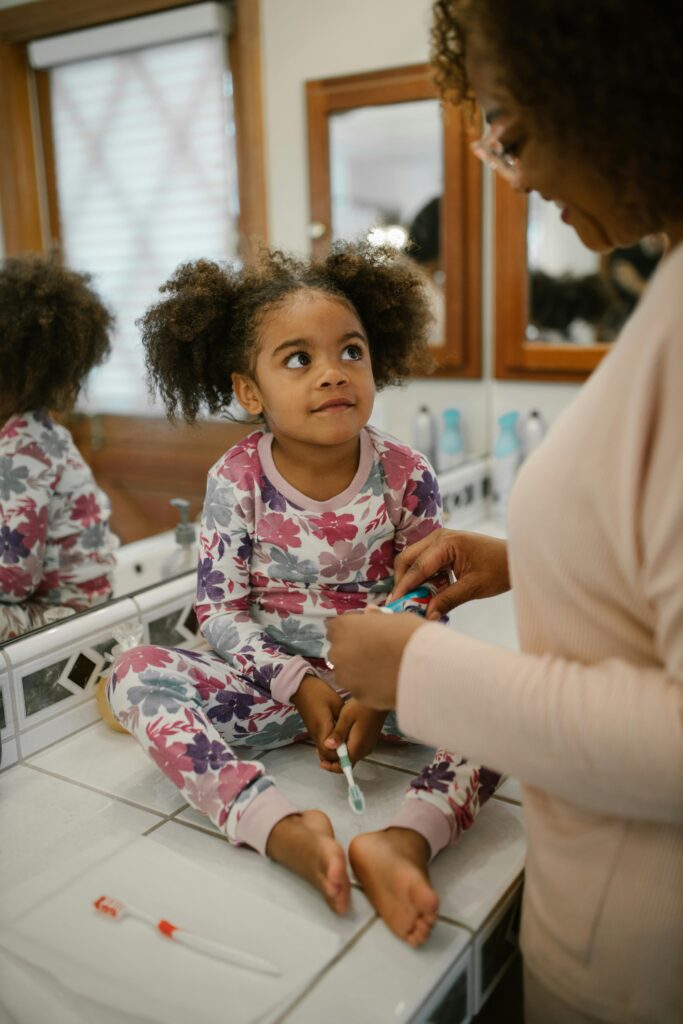
3. Brush together
Kids mirror behavior. Brushing with them removes the “go do this alone” barrier.
4. Make it part of a visual routine
Charts or checklists can help ADHD brains remember steps.
5. Lower the friction
Keep toothbrushes easily accessible and remove extra steps.
Small changes can make a big difference.

The Big Thing Parents Should Know
If your child fights brushing teeth every night, it does not mean you are doing something wrong.
ADHD affects:
- motivation
- executive function
- sensory processing
- routine building
All of those impact hygiene habits.
Understanding why it happens is the first step to making it easier.
FAQ
Is poor hygiene a symptom of ADHD?
Poor hygiene itself is not a symptom, but ADHD traits like executive dysfunction, sensory sensitivities, and difficulty with routines can make hygiene tasks harder.
Why does my ADHD child refuse to brush their teeth?
Many ADHD kids avoid brushing because the task is boring, hard to start, or uncomfortable due to sensory issues.
How do you motivate ADHD kids to brush their teeth?
Making brushing more engaging with music, timers, fun toothbrushes, or brushing together can improve motivation.
Medical and Research Disclaimer
The information in this article is based on current ADHD research and lived family experience. It is intended for educational and informational purposes only and should not replace medical advice from a qualified healthcare professional. If you have concerns about your child’s hygiene habits, sensory sensitivities, or ADHD symptoms, consult your pediatrician or a licensed clinician.
Sources and Research
Research on ADHD and executive function shows that children with ADHD often struggle with task initiation, routine building, and motivation for low-stimulation tasks like hygiene habits. Sensory sensitivities can also contribute to resistance around activities like tooth brushing.
Key research areas include:
- Executive function challenges in ADHD
- Dopamine regulation and motivation
- Sensory processing differences in neurodivergent children
About the Author
Bri Weimar is a mom, writer, and the creator behind Goodbye Twenties. She shares practical parenting strategies and real-life ADHD family experiences.
Bri and her husband were both diagnosed with ADHD as adults, and their son was diagnosed at age four. Their family has worked with therapists, clinicians, and educators to better understand how ADHD affects everyday routines, emotional regulation, and learning.
Her goal is to translate research and real-world parenting experience into practical strategies that help other families navigate ADHD.
Related ADHD Articles
- ADHD Kid Won’t Brush Teeth? What Actually Helps
- ADHD Hygiene Struggles: Why Kids Avoid Showers and Brushing Teeth
- Is Poor Hygiene a Symptom of ADHD?
- ADHD Morning Routine Problems (And How to Fix Them)