
If you have ADHD and cleaning feels impossible sometimes, you are not lazy. Your brain is working against the way most cleaning advice is designed.
Heads up: some links in this post are Amazon affiliate links. If you buy something, I earn a small commission and you pay the exact same price. That is the whole scheme. Full disclosure here.
Cleaning requires planning, sequencing steps, and starting tasks that are not very rewarding. Those are all areas where ADHD brains struggle. Because of that, even small cleaning tasks can feel overwhelm (a feeling that also shows up in ADHD meltdowns)ing.
Many people with ADHD experience what is often called ADHD cleaning paralysis. You want a clean house. You may even feel stressed about the mess. But starting feels impossible.
The good news is that once you understand why ADHD makes cleaning difficult, you can use systems that work with your brain instead of against it.

What Is ADHD Cleaning Paralysis?
ADHD cleaning paralysis happens when a person feels so overwhelmed by a cleaning task that they cannot start it. The brain struggles to decide where to begin, how long the task will take, or what steps come next. Instead of starting, the person may avoid the task entirely.
This is very common for people with ADHD because cleaning involves many small decisions and transitions.
For example, you might walk into a messy room and think:
- Where do I even start?
- This will take forever.
- I do not have the energy for this right now.
Instead of beginning, the brain shuts down and the task gets delayed again.
Why Cleaning Feels So Overwhelming With ADHD
Several ADHD traits can make cleaning harder than it seems for other people.
Executive dysfunction
Executive function is the brain’s ability to plan, organize, and complete tasks.
Cleaning requires many executive function skills at once. You have to decide what to clean first, gather supplies, remember steps, and stay focused long enough to finish. When executive function is impaired, the whole process can feel overwhelming.
Task initiation problems
One of the biggest ADHD struggles is simply starting a task.
Cleaning is rarely urgent or exciting. Because of that, the brain has trouble generating enough motivation to begin. Even if you want the room to be clean, starting the process can feel like pushing through mental resistance.
Time blindness
Many people with ADHD struggle to estimate how long tasks will take.
Cleaning a kitchen might only take ten minutes, but the brain may interpret it as a huge time commitment. That distorted sense of time can make tasks feel bigger than they really are.
Visual overwhelm
Clutter creates decision overload.
Every item in a messy room represents a choice. Where does this go? Should I keep it? Should I move it somewhere else?
When the brain sees dozens of decisions at once, it can shut down and avoid the task completely.
Signs ADHD Is Affecting Your Cleaning Habits
Some common signs that ADHD may be affecting your ability to clean include:
- You want to clean but cannot start
- Messy rooms make you feel overwhelmed
- You start cleaning but get distracted halfway through
- You avoid certain areas of the house entirely
- You clean in bursts instead of consistently
- Small messes quickly turn into large ones
These patterns are very common for people with ADHD and do not mean you lack discipline or motivation.
A Simple ADHD Cleaning System That Actually Works
Traditional cleaning advice often assumes people can focus for long periods and follow detailed routines. For ADHD brains, simpler systems usually work better.
Here is a cleaning method that reduces overwhelm.
Step 1: Start with trash
The easiest place to begin is removing visible trash.
Grab a bag and quickly walk through the room collecting things that are clearly garbage. This removes visual clutter and gives you a quick win.
Step 2: Do a short timer sprint
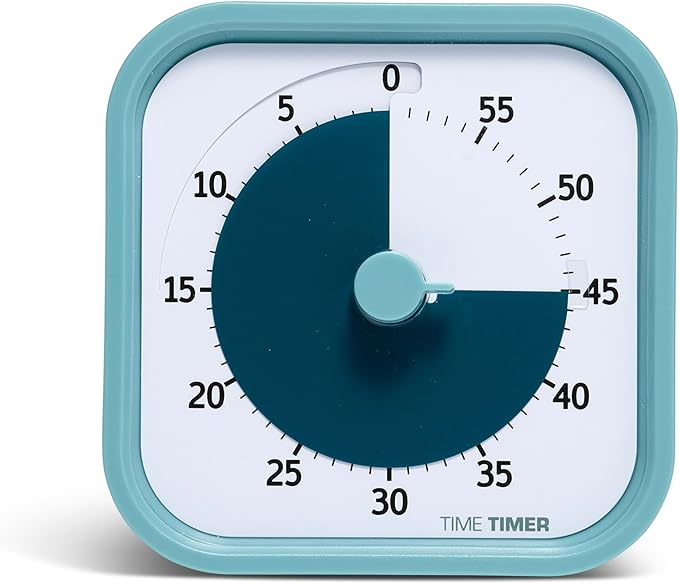
Instead of committing to a full cleaning session, set a timer for 5 or 10 minutes.
Clean until the timer ends. When the time is up, you can stop if you want to.
Short bursts of cleaning work better for ADHD brains because they reduce the mental barrier to starting.
Step 3: Focus on one category at a time
Trying to clean everything at once creates decision overload.
Instead, focus on one category such as:
- dishes
- laundry
- trash
- items that belong in another room
This keeps the brain focused on a single task instead of juggling multiple decisions.
How to Start Cleaning When You Feel Completely Stuck
When ADHD cleaning paralysis hits, the goal is not to clean the whole house. The goal is simply to start moving.
Here are a few ways to break the paralysis.
Start with the easiest task. Pick something that takes less than two minutes.
Set a five minute timer and tell yourself you can stop when it ends.
Use body doubling. This means cleaning while someone else is present or on a video call.
Play music, a podcast, or an audiobook to create stimulation while you clean.
The first few minutes are usually the hardest part. Once the brain starts moving, it becomes easier to keep going.
ADHD Friendly Cleaning Tips
A few small changes can make cleaning much easier if you have ADHD.
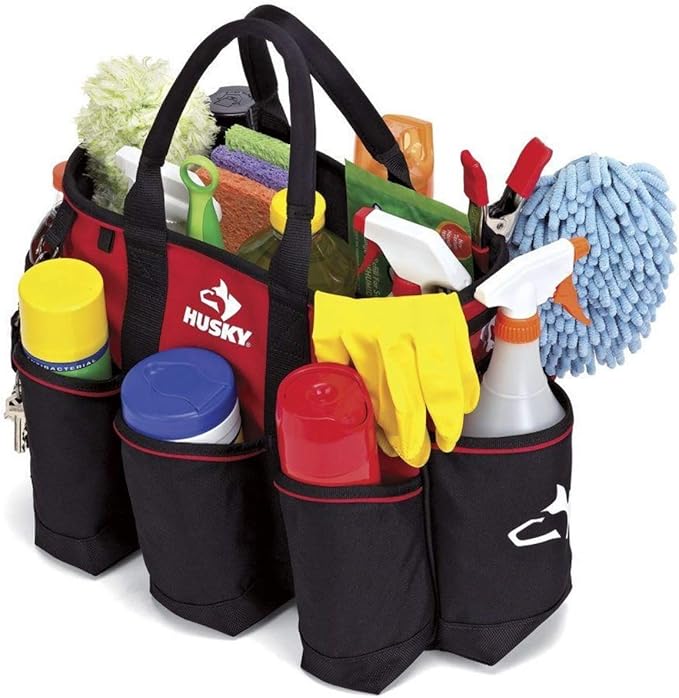
Keep cleaning supplies visible and easy to access.
Use baskets to quickly gather items that belong in other rooms.
Lower your standards for what “clean” means. Progress is better than perfection.
Clean in short bursts throughout the day instead of trying to do everything at once.
Focus on the areas that affect your daily life the most, such as the kitchen or living room.
Tools That Make ADHD Cleaning Easier
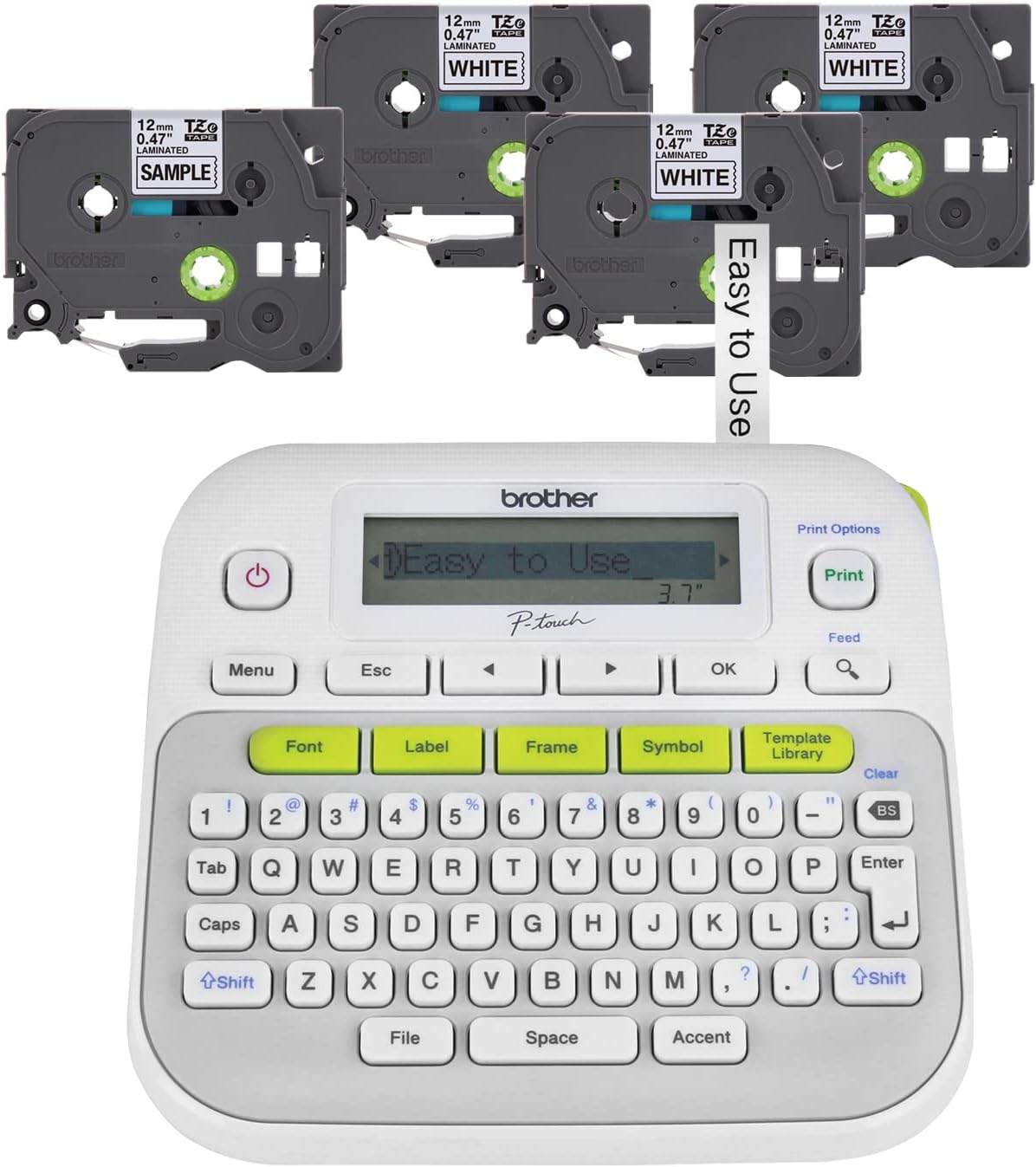
These products support the systems described above by reducing friction, adding visual structure, and making cleaning more ADHD-friendly.
Frequently Asked Questions
Why do people with ADHD struggle with cleaning?
People with ADHD often struggle with cleaning because it requires executive functioning skills such as planning, organization, and task initiation. When these skills are impaired, starting and completing cleaning tasks can feel overwhelming.
What is ADHD cleaning paralysis?
ADHD cleaning paralysis is when someone feels so overwhelmed by a cleaning task that they cannot start it. The brain becomes stuck trying to decide where to begin or how to complete the task.
How do you clean a messy house with ADHD?
The best approach is to break cleaning into small steps. Start with one simple task such as picking up trash, use timers for short cleaning sessions, and focus on one category of items at a time.
Final Thoughts
If cleaning feels harder for you than it seems for other people, you are not imagining it. ADHD affects motivation, task initiation, and decision making, which all play a role in keeping a home clean.
The key is not trying to force yourself to follow traditional cleaning routines. Instead, use simple systems that reduce overwhelm and make starting easier.
Small progress adds up, and even a few minutes of cleaning can make a real difference.
As an Amazon Associate, I earn from qualifying purchases. See our full affiliate disclosure.
Author
Bri Weimar writes about practical ADHD systems for everyday life. As a mom with ADHD raising a child with ADHD, she focuses on simple strategies that actually work in busy homes.
Many people with ADHD struggle with basic routines like cleaning, brushing teeth, and other daily habits.
Read more here:
If starting basic hygiene routines feels hard, you might also relate to this guide on building simple hygiene systems for ADHD.
Read more here: