⚡ TL;DR — Quick Answer
An ADHD meltdown is a neurological response to emotional or sensory overload — not a tantrum, not a choice. To handle it: stay calm → reduce stimulation → use deep breathing → offer sensory tools → validate feelings → debrief after. Punishing a meltdown doesn’t work. Co-regulation and a calm-down corner do.
If you’ve ever watched your child go from zero to hurricane in what felt like seconds — and stood there wondering what just happened — you are not alone.
ADHD meltdowns are one of the most exhausting, confusing, and heart-wrenching parts of parenting a neurodivergent kid. You’re doing your best, your child is clearly suffering, and somehow you have to stay calm enough to help them when you’re about to lose it yourself.
This guide breaks down exactly what ADHD meltdowns are, why they happen, and a step-by-step strategy for getting through them — both in the moment and long term.

What Is an ADHD Meltdown (and Why Is It Different from a Tantrum)?
This distinction matters more than you know — because the way you respond to each is completely different.
A tantrum is goal-directed. Your child wants the cookie, the screen time, or the toy, and they’re acting out to get it. They’re in control, even if they don’t look it. Once the demand is addressed (or ignored long enough), the tantrum stops.
An ADHD meltdown is something else entirely. According to Understood.org, meltdowns are involuntary responses to overwhelming sensory or emotional input. Your child’s nervous system has simply exceeded its capacity, and what you’re seeing is the overflow.
A key sign you’re dealing with a meltdown, not a tantrum: your child cannot stop even if you offer them what they want. The emotional brain has taken over, and the rational, thinking brain is essentially offline.
As ADDitude Magazine explains, children with ADHD feel emotions more deeply and hold onto them longer than neurotypical kids. They’re not being dramatic. They’re neurologically wired to experience big feelings — big.
Tantrum vs. Meltdown — Quick Comparison
| Feature | Tantrum | ADHD Meltdown |
|---|---|---|
| Goal-directed? | Yes | No |
| Child can stop if rewarded? | Often yes | No |
| Caused by? | Not getting what they want | Sensory/emotional overload |
| Child in control? | Yes | No |
| Best response? | Hold firm, acknowledge feelings | Reduce input, co-regulate |
What Causes ADHD Meltdowns? (Common Triggers)
Understanding what sets off a meltdown is half the battle. Once you know your child’s triggers, you can start preventing them — or at least preparing for them.
Common ADHD meltdown triggers include:
- Sensory overload — loud environments, bright lights, crowds, itchy clothing
- Unexpected transitions — switching activities without warning, schedule changes
- Hunger or fatigue — an empty tank makes emotional regulation nearly impossible
- Frustration with a task — especially when they can’t articulate why they’re stuck
- Feeling dismissed or unheard — emotional invalidation hits ADHD kids hard
- Over-stimulating events — birthday parties, grocery stores, theme parks
- Screen transition — pulling an ADHD child off a video game is its own category of chaos
The ADDA (Attention Deficit Disorder Association) recommends keeping a simple trigger log. Note the time of day, activity before the meltdown, hunger level, sleep quality, and environment. Patterns often emerge within 2–3 weeks.
How to Handle an ADHD Meltdown: A Step-by-Step Guide
Here’s the approach I’ve pieced together from occupational therapists, ADHD coaches, and — honestly — a lot of trial and error in my own living room.

Step 1: Regulate Yourself First
You cannot co-regulate a dysregulated child if you are dysregulated yourself. Harvard Health confirms this: the first step in co-regulation is the parent pausing to manage their own emotions — taking a breath before responding.
Lower your voice. Slow your movements. Take a deep breath (bonus: your child will often subconsciously mirror you). Your calm is the most powerful tool you have.
Step 2: Reduce Sensory Input
Move to a quieter room if possible. Turn off the TV. Dim the lights. Remove competing demands. If you’re in public, gently guide your child to a less stimulating spot — the car, a quiet corner, outside.
This is not giving in. This is triage.
Step 3: Stay Close Without Crowding
Some ADHD kids want to be held during a meltdown. Others need space. Follow your child’s lead. Sit nearby, stay calm and present, and don’t demand eye contact or verbal responses while they’re in the storm.
Avoid: lectures, questions, counting down, ultimatums, or “you need to calm down right now.”
Step 4: Use a Breathing Technique
Deep breathing activates the parasympathetic nervous system — the body’s calm-down mechanism. Try these with your child during calm times so they become automatic during storms:
- Box breathing: Inhale 4 counts, hold 4, exhale 4, hold 4.
- Blow out the candle: Hold up a finger, imagine it’s a birthday candle, blow it out slowly.
- Dragon breaths: Big inhale, long slow exhale (kids love this one).
Keep visual breathing cards in your calm-down corner so your child can reference them independently.
Step 5: Offer Sensory Support Tools
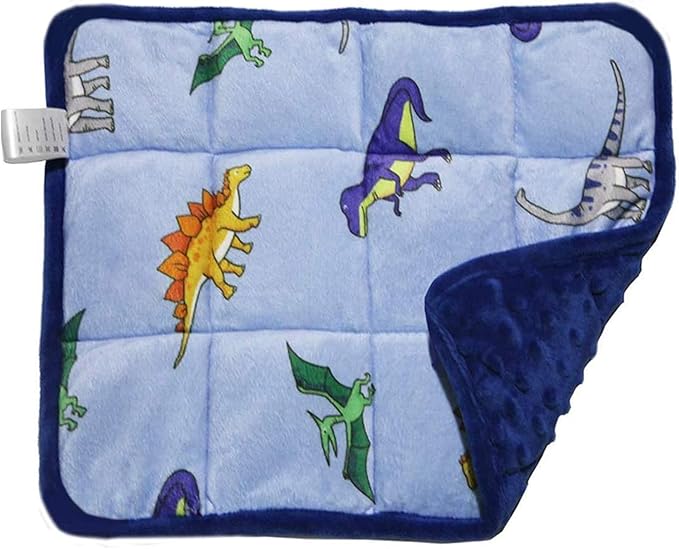
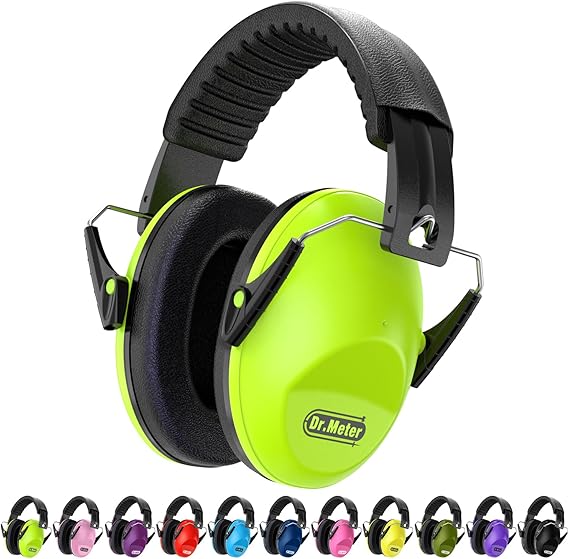
Sensory input can help the nervous system regulate faster. A weighted lap pad provides calming deep pressure. Noise-canceling headphones block sensory overload. A stress ball, fidget, or soft blanket can also help.
Step 6: Validate, Then Debrief — After the Storm
Once your child is fully calm (not just quiet), acknowledge their experience: “That was really hard. I could see you were overwhelmed.”
Then, when they’re regulated and ready (this might be 30 minutes later, or the next day), have a simple debrief. What set it off? What helped? What could we try differently next time? Keep it short, keep it curious, keep it blame-free.
According to the Child Mind Institute, this kind of non-judgmental, after-the-fact coaching is how children with ADHD actually build emotional regulation skills over time.
What Is Co-Regulation and Why Does It Matter for ADHD Kids?
Co-regulation is exactly what it sounds like: you regulate with your child. Your calm nervous system helps their dysregulated nervous system find its way back.
Kids with ADHD have underdeveloped self-regulation skills — their prefrontal cortex (the executive function center) is developing more slowly than their neurotypical peers. This is not laziness, not bad parenting, not a character flaw. It is neurology.
Until that development catches up (and it does catch up — ADHD brains are typically about 3 years behind neurotypically developing brains), your co-regulation is the scaffolding. You are their external emotional regulation system.
Havern School’s research on co-regulation shows that consistent, warm co-regulation during early childhood directly builds the neural pathways children need for self-regulation later. Every time you stay calm while they fall apart, you are literally helping build their brain.
No pressure. 😅
How to Build a Calm-Down Corner Your ADHD Kid Will Actually Use

A calm-down corner is a designated safe space for emotional regulation. The key is making it feel safe and chosen — not punishing. Here’s how to build one:
- Choose a low-traffic corner with minimal visual clutter.
- Add soft seating — a bean bag, floor cushion, or small tent.
- Stock sensory tools: stress ball, fidget cube, kinetic sand, or a sensory bottle.
- Add a feelings chart so your child can identify and name what they’re feeling.
- Include breathing cues — visual cards work great for kids who can’t remember steps mid-storm.
- Keep noise-canceling headphones within reach for sensory-sensitive kids.
- Build it with your child — let them pick colors, add a stuffed animal, make it theirs.
Best Calm-Down Tools for ADHD Kids (Amazon Picks)
These are the tools I actually recommend — no fluff, no filler. Grab a few and rotate them so your child doesn’t get bored.
🧸 MAXTID Weighted Lap Pad for Kids
Available in 2 lb and 5 lb options. The gentle deep pressure helps calm the nervous system — great for meltdown recovery and for grounding during homework. 4.8 stars, 400+ reviews, Amazon’s Choice.
🎧 Dr.meter EM100 Noise-Canceling Earmuffs for Kids
27.4 SNR noise reduction — perfect for sensory-sensitive ADHD kids at loud events, in stores, or during overwhelm at home. Under $11, Amazon’s Choice, 19,000+ reviews. A total game-changer for our family.
🃏 Coping Skills for Kids Breathing Exercise Cards
A deck of illustrated breathing and calming technique cards designed specifically for children. Visual prompts make these perfect for kids who can’t remember steps during a meltdown. Great for calm-down corners and therapy work.
📊 Emotions & Feelings Chart Poster for Kids
Helping ADHD kids name their emotions is a huge first step in regulation. An illustrated feelings chart hung in the calm-down corner gives kids the language for what’s happening inside — which reduces the intensity of meltdowns over time.
Affiliate disclosure: This post contains Amazon affiliate links. If you purchase through my links, I may earn a small commission at no extra cost to you. I only recommend products I actually believe in.
How Do You Reduce ADHD Meltdowns Long-Term?
In-the-moment strategies are essential. But the real work happens between the meltdowns — in the calm, proactive moments where you’re building skills and filling your child’s regulatory “tank.”
Build the Calm-Down Corner Before You Need It
Don’t introduce the calm-down corner in the middle of a meltdown. Set it up together during a fun, low-stakes time. Practice using it when everyone is happy. Make it familiar before it’s needed.
Practice Breathing Techniques During Calm Times
Just like fire drills work because you practice before the emergency, breathing techniques need to be practiced during calm moments so they become automatic under stress. Five minutes before bedtime, try box breathing together. Make it a ritual.
Prioritize Sleep and Nutrition
A tired, hungry ADHD child is a meltdown waiting to happen. Consistent sleep schedules and regular meals/snacks dramatically reduce meltdown frequency. This is not glamorous advice, but it’s deeply evidence-based.
Give Transition Warnings
Most ADHD kids struggle with transitions. Give a 5-minute warning before switching activities: “Five more minutes, then we’re turning off the tablet.” Then a 2-minute warning. Then 1. This gives their brain time to prepare.
Consider Parent Training Programs
Parent-Child Interaction Therapy (PCIT) and other parent training programs have strong evidence for reducing ADHD behavioral challenges. The Child Mind Institute specifically recommends parent training as a first-line intervention alongside (or sometimes before) medication.
Track Meltdown Patterns
You can’t prevent what you can’t predict. For 2–3 weeks, note the time of day, environment, recent food/sleep, and any preceding event for each meltdown. Patterns will emerge. Knowing your child’s triggers lets you proactively reduce them.
If you’re working through ADHD parenting challenges, these posts might also help:
- How to Build an ADHD Morning Routine That Actually Works
- ADHD and Homework Battles: What Finally Worked for Us
- How to Talk to Your Child’s School About ADHD
Frequently Asked Questions About ADHD Meltdowns
What is the difference between an ADHD meltdown and a tantrum?
A tantrum is goal-directed behavior — your child wants something and acts out to get it. An ADHD meltdown is an involuntary neurological response to emotional or sensory overload. The child cannot stop it even if they want to. Meltdowns end when the nervous system resets, not when they get what they want.
How do you calm an ADHD child during a meltdown?
Stay calm yourself first (regulate before you co-regulate). Keep your voice low and slow. Move to a quieter space if possible. Offer sensory input like a weighted lap pad or headphones. Do not lecture, reason, or punish during the meltdown — the thinking brain is offline. Breathe with your child and wait for the storm to pass.
What triggers ADHD meltdowns in children?
Common triggers include sensory overload (loud noises, bright lights, crowds), unexpected transitions or schedule changes, hunger or fatigue, frustration with a difficult task, feeling unheard or misunderstood, and over-stimulating environments like birthday parties or stores.
Should you punish a child for an ADHD meltdown?
No. Punishment during or immediately after a meltdown is not effective because the child was not in control of their behavior. According to the Child Mind Institute, discipline works best when the child is calm and can engage their thinking brain. Address behavior issues in a calm, collaborative conversation after the meltdown has fully passed.
How do you build a calm-down corner for a child with ADHD?
Choose a quiet corner with minimal visual clutter. Add soft seating like a bean bag or floor cushion. Include sensory tools: a weighted lap pad, stress balls, noise-canceling headphones, and breathing exercise cards. Hang a feelings chart on the wall. Make it cozy and positive — not a punishment space. Build it with your child so they feel ownership over it.
How long do ADHD meltdowns last?
ADHD meltdowns in children can last anywhere from 10 to 40 minutes, and sometimes longer. Unlike typical tantrums (which usually resolve in under 15 minutes), ADHD meltdowns tend to last longer because they are driven by neurological dysregulation rather than a desire for a specific outcome. Recovery time after the meltdown may add additional time before the child feels fully regulated.
You’re Not Failing. You’re Learning.
Here’s what I want you to hear: handling ADHD meltdowns is genuinely hard. It requires you to be calm when you feel anything but. It asks you to respond with curiosity when you’re exhausted. It means getting it wrong sometimes and trying again tomorrow.
But every time you stay calm in the chaos, every calm-down corner you build together, every breathing exercise you practice at bedtime — you are wiring your child’s brain for resilience. That work is real and it matters.
You are doing one of the hardest, most important jobs there is.
I’m rooting for you. 💕