Affiliate disclosure: This post contains affiliate links. See my full disclosure.
Medical disclaimer: I am not a doctor. For specific questions about ADHD, consult your pediatrician. See my full disclaimer.
If you have ever taped a beautiful chore chart to the fridge, felt proud for about 4 hours, and then watched it become invisible wallpaper by Tuesday — welcome. You are in the right place.
I have tried every chore system on Pinterest. The color-coded ones. The ones with the cute magnets. The spreadsheet my husband made that looked like a NASA launch checklist. All of them eventually got ignored, and I ended up doing everything myself while seething quietly.
Then I stopped trying to make my ADHD kids fit a neurotypical system and started building systems around how their brains actually work. Game changer.
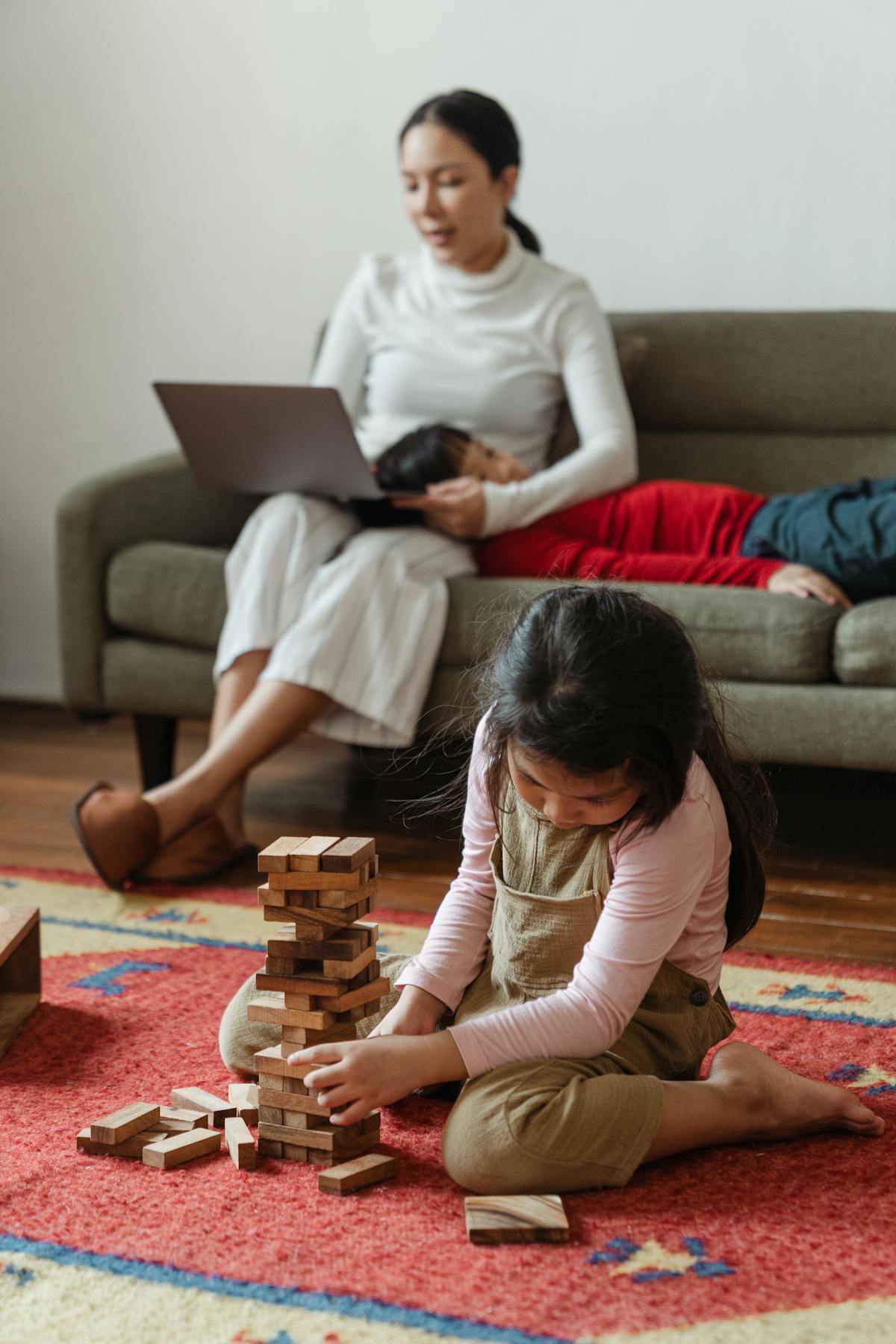
Why Do Standard Chore Charts Fail Kids With ADHD?
Standard chore charts assume your kid can remember what to do, when to do it, and how to start — all without external help. According to ADDitude Magazine, the most common reasons:
- Out of sight = out of mind. A chart on the fridge is invisible within 48 hours.
- “Clean your room” is not one task. It is 15 tasks. ADHD kids freeze when facing vague, multi-step instructions.
- Delayed rewards do not work. “Do chores all week for screen time Saturday” is too abstract.
- Boredom kills follow-through. Same chart every day becomes invisible to a novelty-seeking brain.
How to Build a Chore System That Actually Works for ADHD Kids
Step 1: Micro-Task Everything
Never say “clean the bathroom.” Say “wipe the sink.” One task. According to Beyond BookSmart, micro-steps are the most effective strategy for ADHD executive function challenges. Each task: 2-5 minutes max.
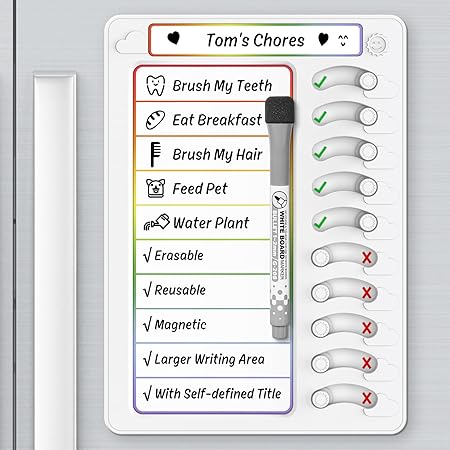
Step 2: Make It Visual and Physical
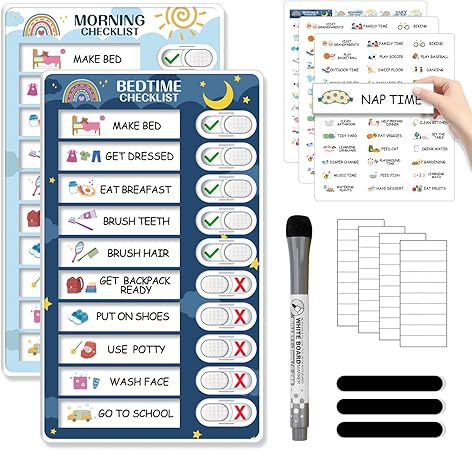
ADHD kids are visual learners. Use magnetic boards with sliders, dry erase boards with checkboxes, or laminated card systems (like this Reddit parent recommends). The physical act of moving something from “to do” to “done” = instant dopamine hit.
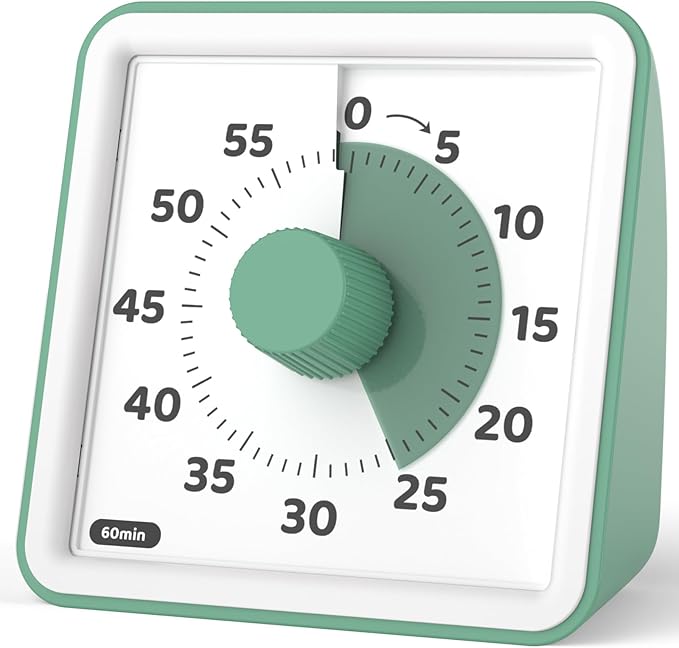
Step 3: Use a Visual Timer
ADHD kids have time blindness. A visual timer makes time concrete. We do “power clean” sessions: set 10 minutes, everyone races. It turns chores into a game. (We also use these for morning routines and bedtime.)

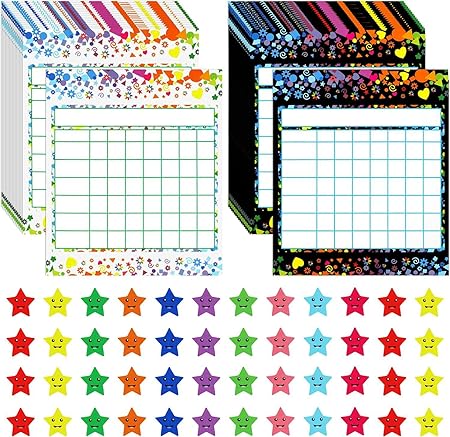
Step 4: Reward Immediately
Delayed rewards fail ADHD brains. What works: sticker charts with daily rewards, screen time tied to task completion, marble jars (recommended by ADHD parenting communities), and point systems. Put the reward ON the chart so it is visible.
Step 5: Make It Fun
- Race the timer: “Can you put away shoes before the timer goes off?”
- Music blast: Chores during songs. Music stops, you stop.
- Team up: Work alongside your kids. Body doubling helps.
- Gamify: DnD-style chore quests are trending — earn XP points for leveling up
- Let them choose: Give 4 options, they pick 2.

Age-Appropriate Chores for ADHD Kids
Based on Brain Balance Centers:
Ages 3-5
- Put toys in the blue bin
- Put dirty clothes in hamper
- Wipe table with wet cloth
- Feed pet (pre-portioned)
- Match socks
Ages 6-8
- Make bed (imperfect is fine)
- Unload silverware
- Wipe bathroom sink
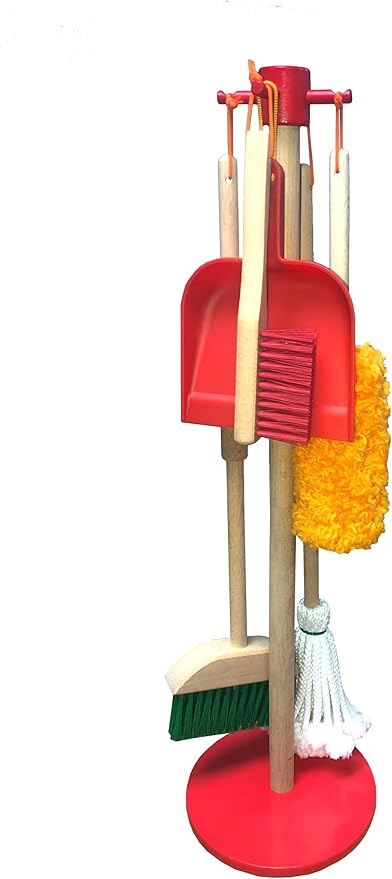
- Sweep one room
- Pack lunch with visual guide
Ages 9-12
- Load dishwasher
- Fold own laundry
- Vacuum one area
- Take out trash
- Wipe counters after dinner
Best ADHD Chore System Products
FAQ
What is the best chore chart for a child with ADHD?
The best uses visual cues (pictures not just words), physical interaction (magnets, sliders, stickers), 2-5 minute micro-tasks, and immediate rewards. Magnetic boards and dry erase slider charts beat paper charts.
How do you get an ADHD child to do chores without a meltdown?
Micro-task everything, use a visual timer, work alongside them as a body double, reward immediately, and let them choose which chores to do.
At what age should an ADHD child start doing chores?
Ages 2-3 can do one simple task (toys in bin, clothes in hamper). Build slowly from there. ADHD kids need more scaffolding but can learn chore skills at every age.
Are reward systems bad for ADHD kids?
No. Research supports positive reinforcement for ADHD. Make rewards immediate and consistent. Sticker charts, point systems, and screen time tied to task completion are all recommended by specialists.
What chore apps work for ADHD families?
Joon (gamified), Sweepy (auto-rotates tasks), Brili (visual timer-based). Many parents find a simple laminated checklist with dry erase markers more effective than any app.