If you are reading this at 10 PM while your ADHD kid is still bouncing off the walls, I see you. Bedtime in an ADHD household can feel like trying to land a plane in a hurricane — every single night. The good news? You are not doing anything wrong, and there are real, evidence-based strategies that actually work.
According to the Child Mind Institute, about 50% or more of kids with ADHD experience significant sleep disturbances. Some research puts that number as high as 70%. That is not a parenting failure — it is neurology.
Why Do Kids with ADHD Have So Much Trouble Sleeping?
The ADHD brain is wired differently when it comes to sleep, and understanding why can help you stop blaming yourself (or your kid).
ADDitude Magazine explains that the ADHD brain is hypersensitive to external stimuli — and this is especially true at bedtime. Racing thoughts, ticking clocks, tempting screens, and even thirst can keep kids awake far too late.
Here is what is actually going on:
- Difficulty recognizing tiredness: Kids with ADHD often cannot feel their own sleepiness cues the way neurotypical kids do
- Trouble “turning off” the brain: Executive function challenges make it hard to stop stimulating activities and transition to calm
- Delayed melatonin production: Research shows that about one-third of children with ADHD have insomnia or delayed sleep phase issues, partly because their bodies may produce melatonin on a different schedule
- Medication side effects: Stimulant medications can sometimes cause or worsen insomnia, though some kids actually sleep better on medication because their nervous system is more regulated
- Co-occurring anxiety: Many kids with ADHD also have anxiety, which fires up right at bedtime with worries and “what-ifs”
What Should an ADHD Bedtime Routine Look Like?
A consistent, predictable routine that starts 30-60 minutes before lights out. That is the single most important thing you can do, according to CHADD. The key word is predictable — ADHD brains thrive on knowing exactly what comes next.
Here is a step-by-step routine that works:
Step 1: Set a Consistent Wind-Down Time (60 Minutes Before Bed)
Work backwards from when your child needs to wake up. School-age kids need 9-11 hours of sleep. If they wake at 7 AM, lights out should be around 8 PM, which means starting the wind-down at 7 PM.
Step 2: Screens Off (At Least 30-60 Minutes Before Bed)
This is the hardest step but one of the most impactful. The Child Mind Institute notes that blue light from screens interferes with the brain’s natural “sleepiness” hormones. For ADHD kids, screens are extra stimulating because they provide the dopamine hit their brains crave.
Start where you are. If screens are on until the last minute now, try cutting off 10 minutes earlier and gradually stretch it out.
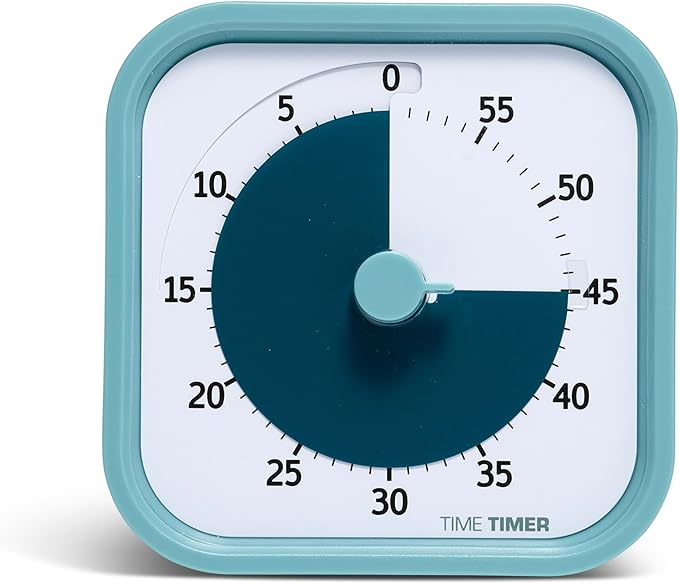
Step 3: Use a Visual Timer for Transitions
Instead of yelling “10 more minutes!” across the house (we have all been there), use a visual timer that shows time disappearing. (Visual timers are also a game-changer for morning routines.). ADHD brains respond much better to visual cues than verbal reminders — something we also cover in our guide on getting ADHD kids to do homework. Place the timer where your child can see it during their wind-down.
Step 4: Calming Activities Only
Replace stimulating activities with calm ones:
- Reading together (or audiobooks)
- Warm bath or shower — the Child Mind Institute recommends a warm bath 1-2 hours before bed because it raises body temperature, which then drops and signals sleepiness
- Gentle stretching or yoga
- Drawing or coloring (nothing competitive)
- Guided meditation or breathing exercises — apps designed for kids can be helpful
- Quiet conversation about the best part of their day
Step 5: Optimize the Bedroom Environment
The sleep environment matters more for ADHD kids because of their sensory sensitivity:
- Cool temperature: Aim for 65-70 degrees
- Dark room: Room-darkening curtains plus a dim night light if needed
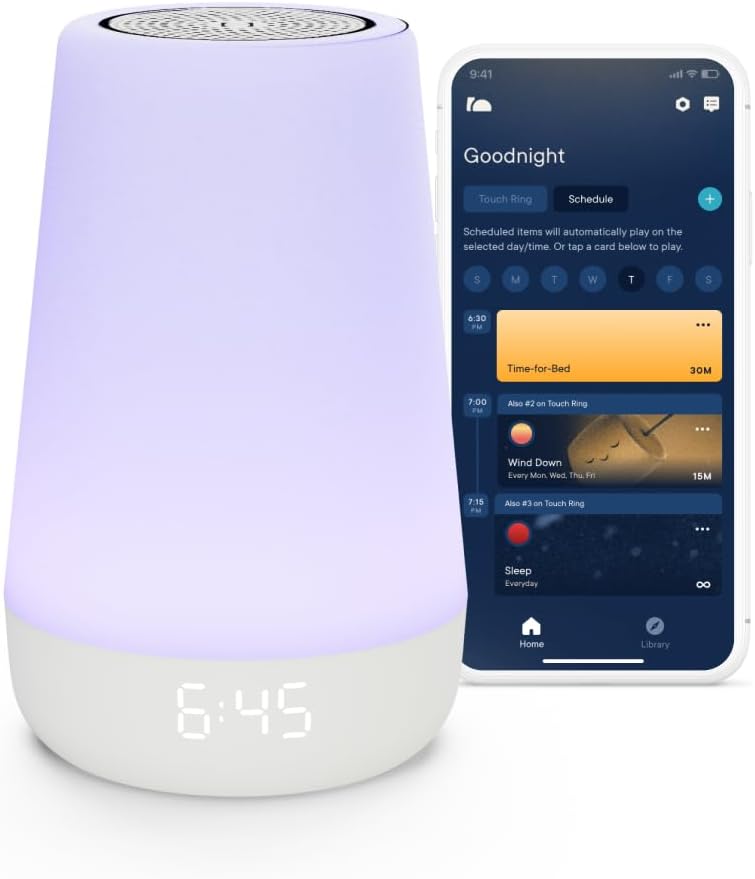
- White noise: A sound machine can block distracting sounds that ADHD ears pick up on
- No electronics in the bedroom: Remove TVs, tablets, and phones
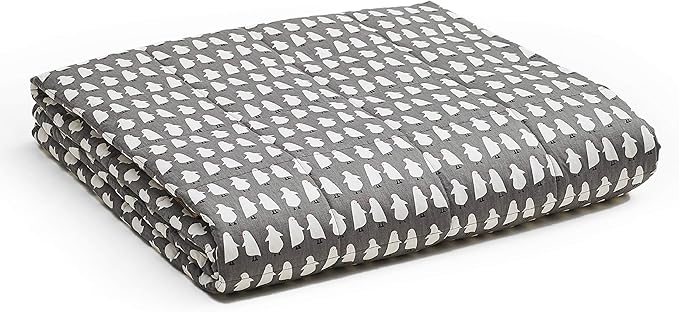
- Weighted blanket: Research published in 2023 found that weighted blankets significantly improved total sleep time in children with ADHD, with even greater benefits for kids aged 11-14 and those with the inattentive subtype
Step 6: Use the Bedtime Pass Trick
This is a game-changer from Little Otter Health. Give your child 1-3 “bedtime passes” — physical cards they can use for one last hug, one bathroom trip, or one question. Once the passes are used, that is it. If they still have passes in the morning, they earn a small reward.
This gives your child a sense of control (which ADHD kids crave) while setting clear, concrete boundaries. It dramatically reduces the “one more thing” cycle.
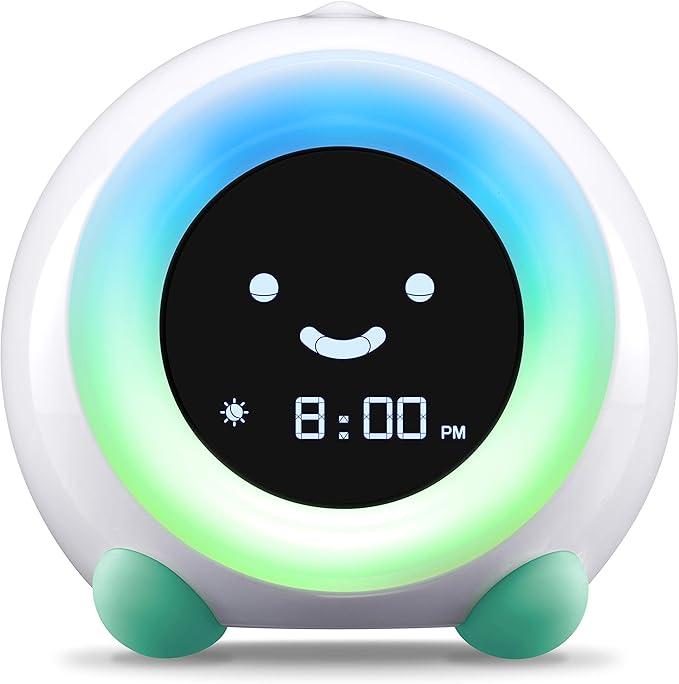
Step 7: Try a “Ready to Rise” Clock
For kids who wake up too early or keep getting out of bed, an OK-to-wake clock teaches them when it is actually time to get up.
What About Melatonin for ADHD Kids?
Talk to your pediatrician first — but yes, melatonin can be a helpful tool. ADDitude reports that in studies, melatonin helped children with ADHD fall asleep 27 to 48 minutes faster, and sleep duration increased by up to 62 minutes.
The American Academy of Pediatrics recommends starting with the lowest dose (0.5 mg or 1 mg) given 30-90 minutes before bedtime. Most kids with ADHD do not need more than 3-6 mg.
A 2023 study published in Children confirmed that even a low 1 mg dose of melatonin significantly increased total sleep time in children with ADHD who were taking stimulant medication.
Important: Long-term safety data is still limited, so this is definitely a conversation for your child’s doctor — not a DIY decision.
How Do ADHD Medications Affect Sleep?
It depends on the child and the medication. Stimulant medications can cause insomnia in some kids, especially if the medication is wearing off at bedtime. But Dr. William Benson at the Child Mind Institute notes that “being medicated actually helps some children sleep because their nervous system is more regulated.”
If you suspect medication is disrupting sleep, talk to your prescriber about:
- Adjusting the timing of the dose
- Trying a different stimulant formulation
- Switching to a non-stimulant like guanfacine (which can actually cause drowsiness)
- Considering delayed-onset stimulants like Jornay PM, which are taken at night but do not kick in until morning
What If Nothing Is Working?
If you have tried consistent routines and your child is still struggling significantly, it may be time for a formal sleep evaluation. The Sleep Health Foundation notes that children with ADHD have a higher risk of actual sleep disorders like obstructive sleep apnea, restless legs syndrome, and periodic limb movement disorder — conditions that need medical treatment, not just better bedtime habits.
Cognitive Behavioral Therapy for Insomnia (CBT-I) is also highly effective for older kids and teens. It has been shown to be more effective than medication for treating insomnia.
A Sample ADHD Bedtime Routine (Ready to Use Tonight)
Here is a printable-style routine you can adapt for your family:
- Screens off, visual timer set
- Warm bath or shower
7:30 PM — Calm activities
- Pajamas on, teeth brushed
- Read together or listen to audiobook
- Quiet conversation: “What was the best part of your day?”
7:50 PM — In bed
- Hand out bedtime passes (1-3)
- Turn on white noise machine
- Quick relaxation: 5 deep belly breaths together
- Kiss goodnight
8:00 PM — Lights out
Adjust the times based on your child’s age and wake-up time. The key is keeping the order consistent, even if the times shift.
You Are Doing a Great Job
Bedtime battles are exhausting, and I know some nights you just want to hand them a screen and collapse on the couch. (No judgment — we have all been there.) But every small change you make adds up. You do not have to overhaul everything tonight.
Pick one strategy from this post. Try it for a week. Then add another. Progress over perfection, always.
And remember: your child is not giving you a hard time. They are having a hard time. Their brain is literally fighting against sleep. With the right tools and routines, you can help them win that fight — and get your evenings back.
For more ADHD parenting strategies, check out our post on How to Discipline a Child with ADHD Without Yelling.
As an Amazon Associate, I earn from qualifying purchases. See our full affiliate disclosure.
Frequently Asked Questions
How many hours of sleep does a child with ADHD need?
The same amount as any child their age: school-age kids (6-13) need 9-11 hours per night, and teens need 8-10 hours. The challenge for ADHD kids is not how much sleep they need — it is getting there.
Is melatonin safe for kids with ADHD?
Short-term use appears safe and effective. The American Academy of Pediatrics recommends starting with 0.5-1 mg given 30-90 minutes before bed. However, long-term data is limited, so always consult your pediatrician before starting melatonin.
Should I let my ADHD child sleep with a weighted blanket?
For children over age 5 who weigh at least 50 pounds, weighted blankets can be helpful. A 2023 study found they improved total sleep time in kids with ADHD. Choose a blanket that is about 10% of your child’s body weight.
Can ADHD medication cause sleep problems?
It can. Stimulant medications sometimes cause insomnia, but this varies by child and medication. Some kids actually sleep better on medication. Talk to your prescriber about adjusting timing or dosage if sleep worsens.
When should I see a sleep specialist for my child with ADHD?
If consistent bedtime routines and good sleep hygiene are not helping after 4-6 weeks, or if your child snores, has restless legs, or seems excessively sleepy during the day despite enough sleep hours, ask your pediatrician for a referral to a sleep specialist.
Medical Disclaimer: This content is for informational purposes only and should not be considered medical advice. Always consult your child’s pediatrician or healthcare provider before making changes to medication, starting supplements like melatonin, or addressing sleep disorders. Read our full disclaimer.