This post contains affiliate links. If you buy through them I may earn a small commission at no extra cost to you. Full disclosure here.
Short answer
The best homemade playdough recipe is cooked: 1 cup flour, 1/2 cup salt, 2 teaspoons cream of tartar, 1 cup water, 1 tablespoon oil and food coloring, stirred over medium-low heat for 3 to 5 minutes until it forms a ball. Knead it once it cools. It stays soft for weeks in an airtight container.
So store-bought playdough basically has two settings, it’s either brand new or it’s this dried-out brownish gravel that your kid insists on keeping forever. Homemade playdough fixes that, and it costs like a dollar, you make it in one pot in about five minutes, and I swear it comes out softer than anything you can buy.
This is also the dough that went a little viral on my Pinterest, so clearly I’m not the only parent who has stood in the kitchen at 4:45 p.m. thinking, okay, I need them to sit still for 30 minutes and I have flour.
Squishing playdough is literally one of the few things that actually calms my son’s ADHD brain. I feel like the texture just gives his hands a job, so the rest of him can finally settle down.
One more thing before we start because it really matters in my house, one of my kids can’t stand scratchy textures. Undercooked playdough is gritty from the salt and gritty is a total dealbreaker for us, so cooking it all the way is what makes it smooth. Don’t skip the stove part.
What do you need to make homemade playdough?
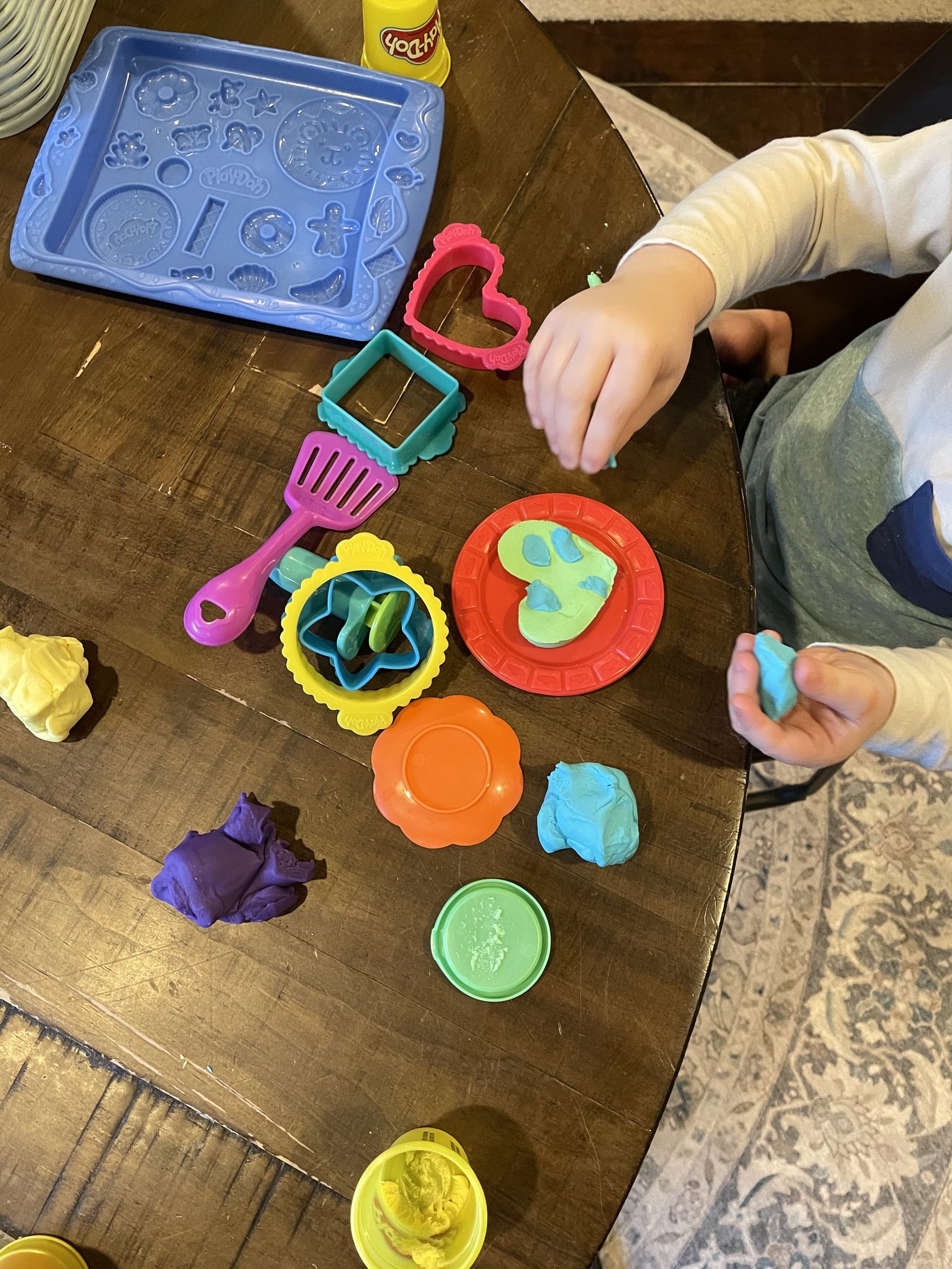
You probably have everything in your pantry already except the cream of tartar, which is on the spice aisle and is kind of pricey for how tiny the jar is. You only need a little though, and it’s what makes the dough stretchy and helps it last so long.
- 1 cup all-purpose flour
- 1/2 cup table salt, fine salt and not coarse, or it stays gritty
- 2 teaspoons cream of tartar
- 1 cup water
- 1 tablespoon vegetable or canola oil
- Gel food coloring, just a few drops
- A medium nonstick pot and a sturdy spoon or silicone spatula
- Optional: a few drops of vanilla or a pinch of cinnamon so it smells so good
Recommended tools that are worth buying
How do you make homemade playdough step by step?
Soft Cooked Homemade Playdough
Makes about 2 cups, enough for one big ball or 4 small colors · Active time: 10 minutes · Ages: 2+ with supervision
You need:
- 1 cup all-purpose flour
- 1/2 cup fine table salt
- 2 teaspoons cream of tartar
- 1 cup water
- 1 tablespoon vegetable oil
- Gel food coloring
Do this:
- Whisk the flour, salt and cream of tartar together in a medium pot before turning on the heat.
- Add the water, oil and food coloring. Stir until it looks like lumpy pancake batter.
- Cook over medium-low heat, stirring constantly. In 3 to 5 minutes it will go from soup to mashed potatoes to one ball that pulls away from the sides of the pot.
- Dump the ball onto a clean counter or parchment and let it cool for a few minutes until you can touch it comfortably.
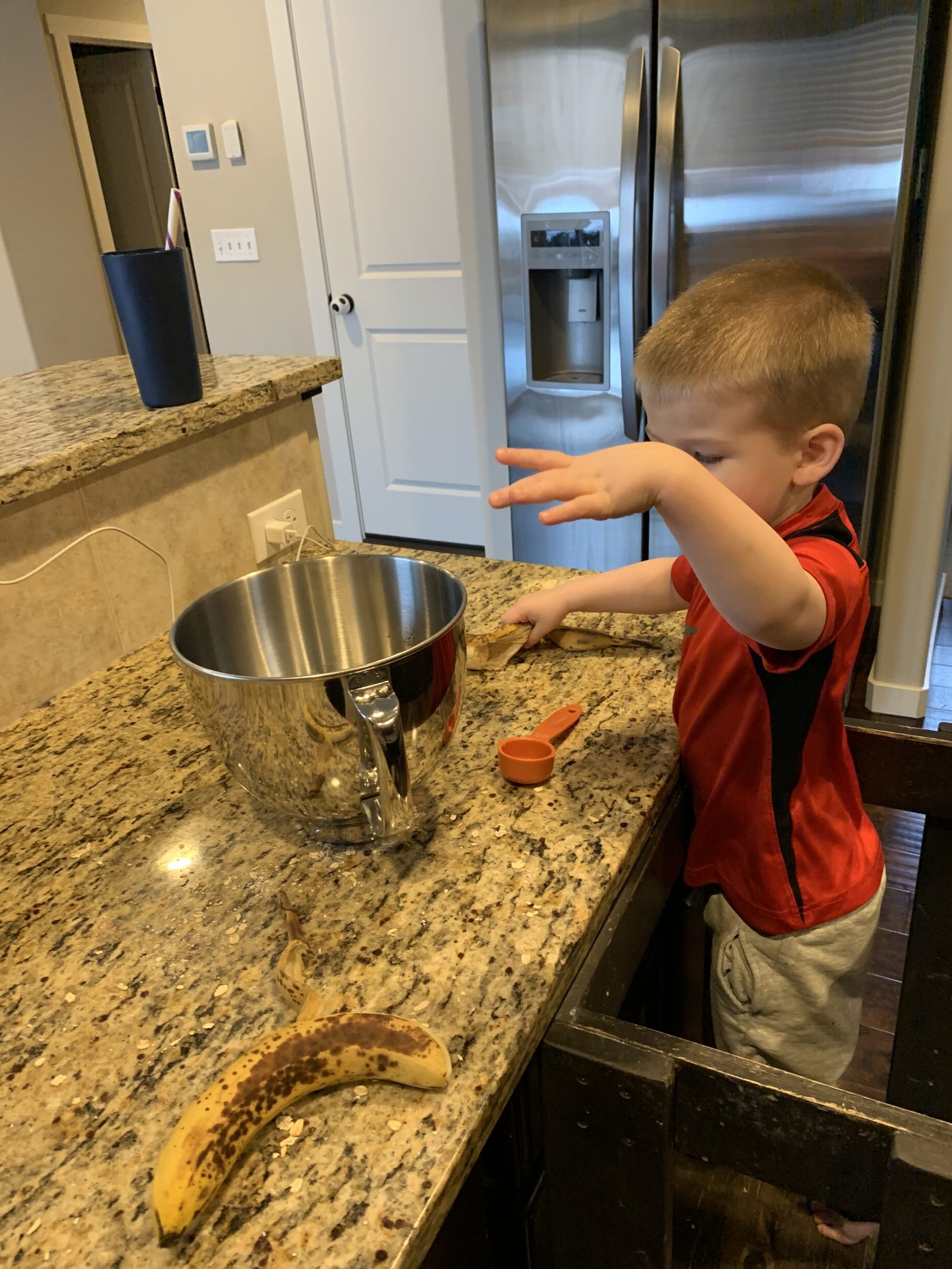
- Knead for 1 to 2 minutes until smooth, then hand it over while it’s still a little warm, because that’s when it’s the softest.
Want multiple colors?
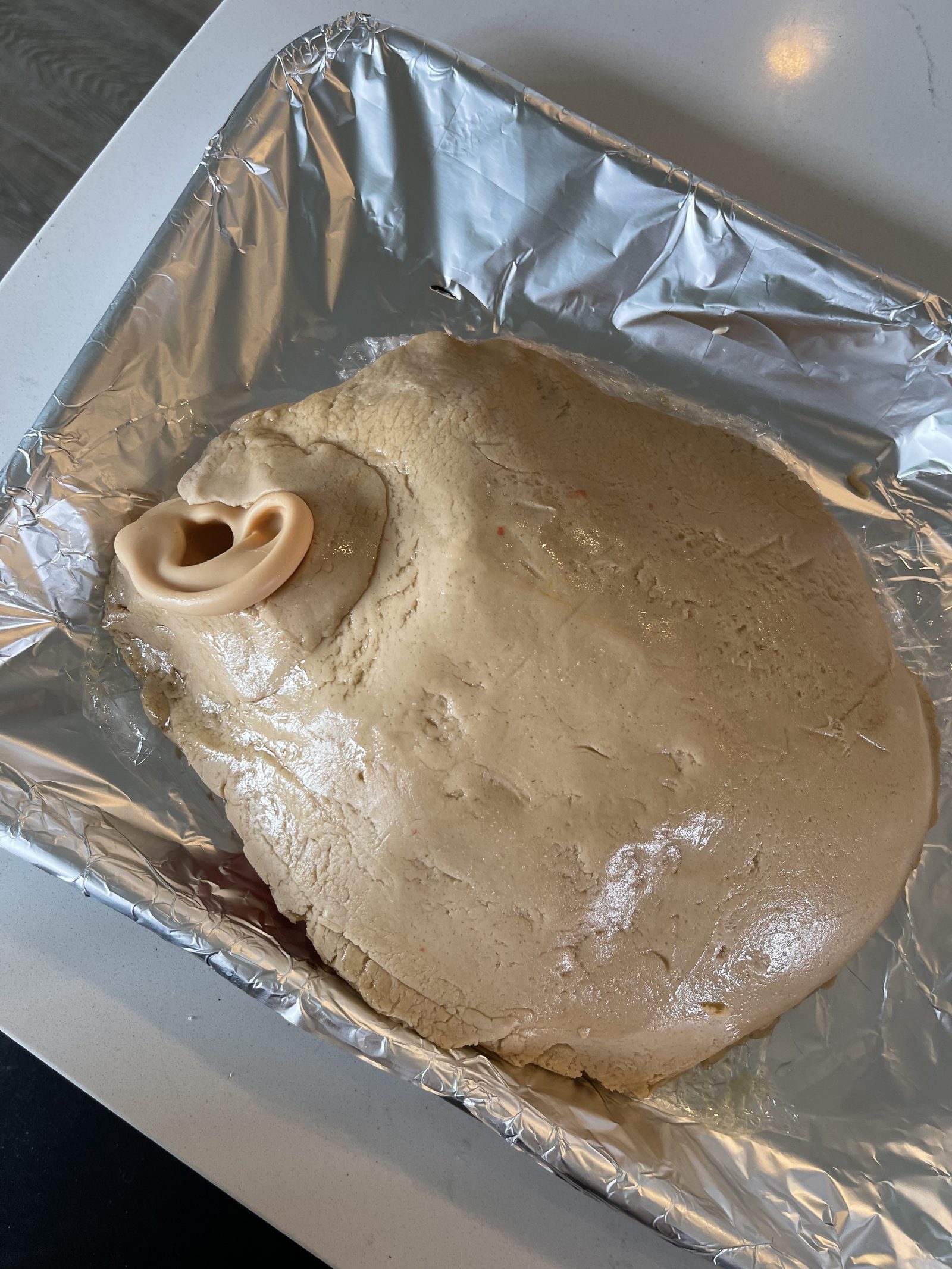
Make one plain batch, split the cooled dough into balls, add a couple drops of gel color to each, and knead it in. Wear gloves or put the dough in a zip bag to knead it, otherwise your hands will literally be blue for days.
Homemade playdough tips and troubleshooting
- Sticky? It came off the heat too soon. Put it back on low and keep stirring, or knead in flour one tablespoon at a time.
- Gritty or scratchy? Undercooked, or you used coarse salt. Another minute on the stove usually smooths it out.
- Dry and crumbly? Knead in a teaspoon of oil or a few drops of water at a time.
- Colors look pale? Liquid food coloring is weaker. Gel gives you real color with a few drops.
- Pot looks destroyed? Fill it with warm water and let it soak. The dough slides right off after about 10 minutes, so don’t even bother scrubbing it.
- Keep it from drying out. Airtight container or zip bag with the air squeezed out, every time. The fridge buys it even more time.
Safety notes
- Playdough is made from food but it is very salty. Supervise little kids who still put everything in their mouths.
- Keep homemade playdough away from dogs. Salt dough can make dogs seriously sick.
- Regular flour has gluten. If you have a kid with celiac disease, use a gluten-free flour blend and know the texture will be a bit softer.
- Let the dough cool before handing it over. The middle stays hot longer than the outside.
What can kids do with playdough?
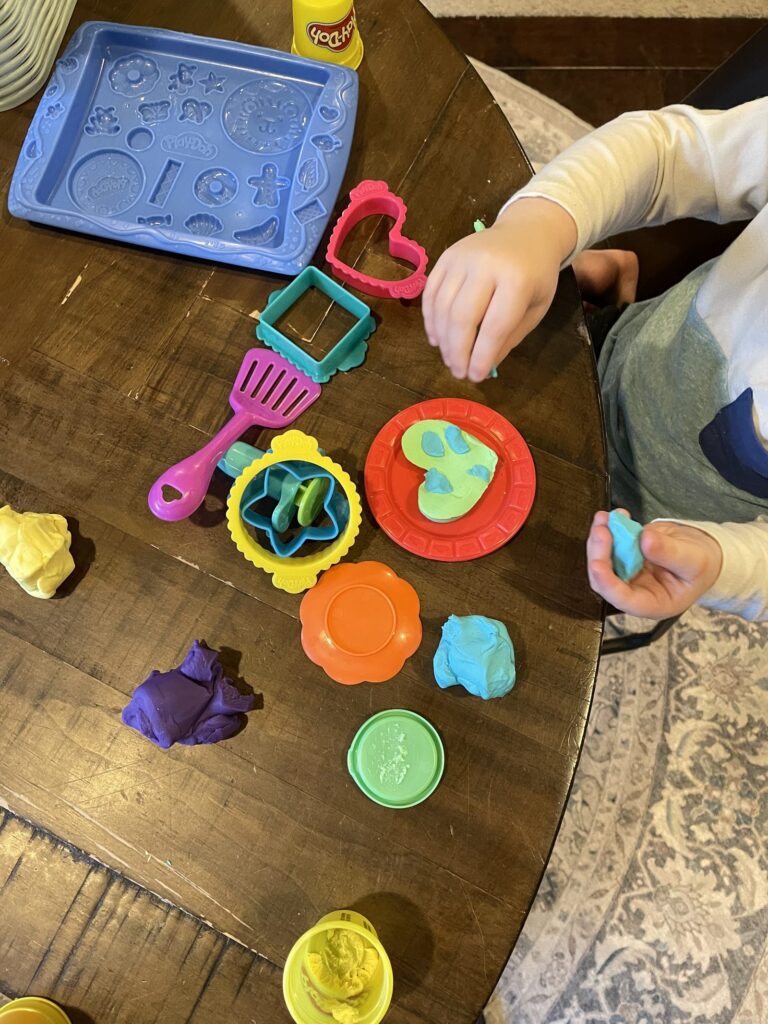
I feel like a plain ball of dough is good for like eight minutes, but if you give them a little plan it can easily turn into an hour. Here are some of our favorite ways to play:
- Playdough bakery. Muffin tin, birthday candles and cookie cutters, and they’ll run a whole bakery and make you order cupcakes over and over.
- Dinosaur fossils. Press plastic dinosaurs or toy animals into flattened dough to make tracks, then guess who made them.
- Nature faces. Sticks, leaves, pebbles and flowers from the yard become hair, eyes and mustaches.
- Cut it up. Kid-safe scissors on a playdough snake is honestly really good scissor practice.
- Count and smash. Roll 10 balls, roll a die, and smash that many. It’s sneaky math practice and kids love the smashing part.
- Letters and names. Roll snakes and shape the letters in their name.
- Scented dough. Add a few drops of vanilla, a pinch of cinnamon or pumpkin pie spice, or a little peppermint extract for a seasonal batch.
- Glitter or no glitter. Glitter dough is so pretty, but you will be finding glitter around your house for months, so it’s up to you.
- Add a sensory bin. Combine dough with dried pasta, loose parts, or buttons for big kids who don’t put things in their mouths anymore. If your kids like bins, my tapioca pearl sensory bin is another taste-safe one that buys real quiet time.
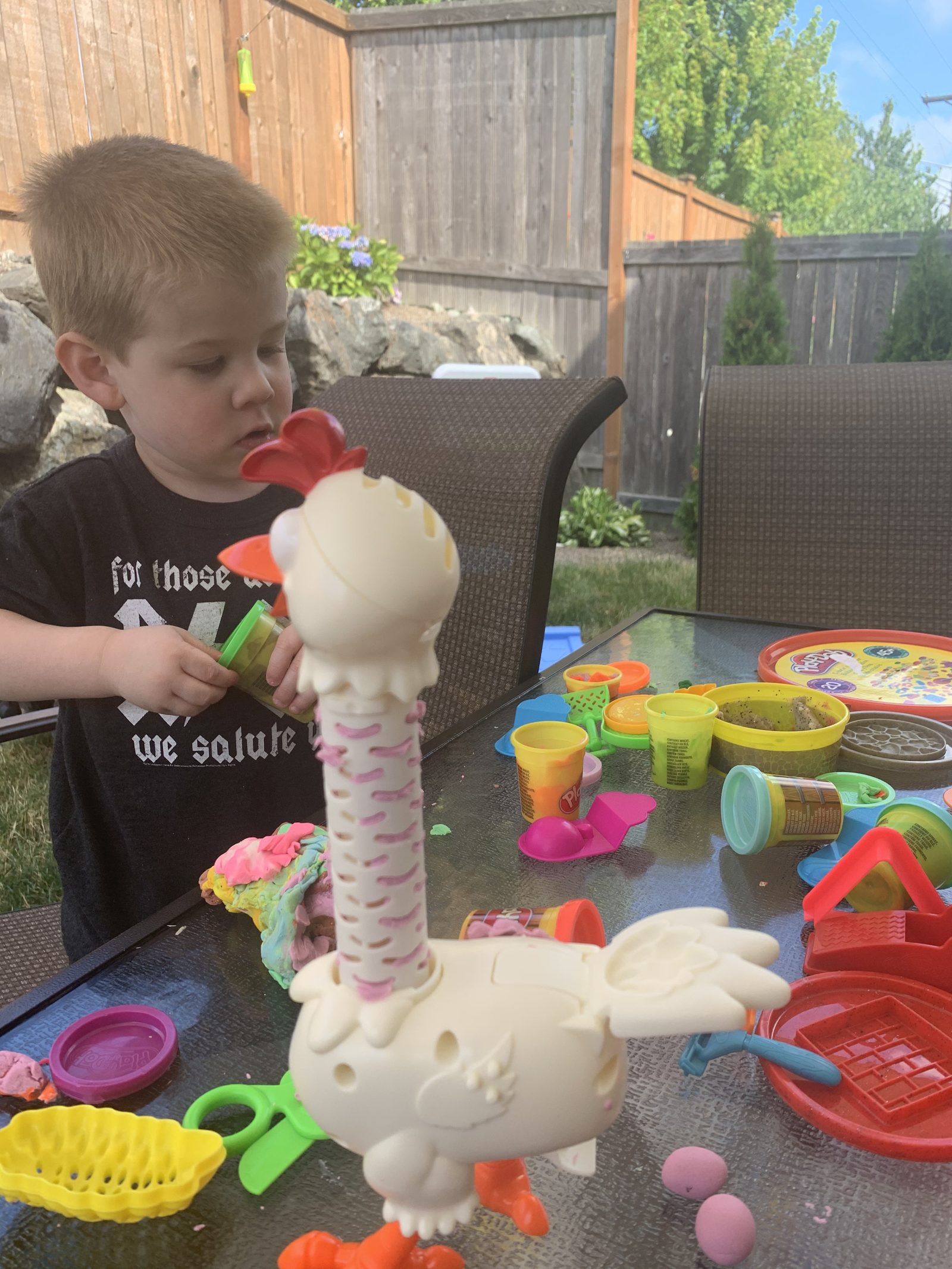
For sensory-sensitive kids, tools are your best friend. Rollers, stampers and cutters let a kid play without having to squeeze the dough. Some kids start with tools and work up to hands, and some never do, and that’s fine.
Playdough also made my list of the toys that actually keep kids busy, ranked by minutes of independent play, because it really does buy you some quiet time. And if you need more ideas for long days at home, my winter break indoor activities for kids list has a bunch more.
FAQ
How do you make homemade playdough soft?
Cook it. A cooked playdough recipe with flour, salt, water, oil and cream of tartar comes out much softer and smoother than no-cook versions. If it still feels stiff, knead in a teaspoon of oil at a time. If it feels gritty, it was undercooked, so put it back on low heat for another minute.
Can you make playdough without cream of tartar?
Yes. Swap the 2 teaspoons of cream of tartar for 3 teaspoons of lemon juice, or just leave it out. Cream of tartar is what makes the dough stretchy and helps it last, so dough without it is a little less bouncy and dries out sooner.
How long does homemade playdough last?
Stored in an airtight container or zip bag, cooked homemade playdough usually lasts several weeks, and often longer in the fridge. Toss it if it smells off, grows spots, or gets crumbly. Uncooked playdough dries out much faster.
Is homemade playdough safe if my toddler eats it?
The ingredients are food, but playdough is very salty and is not a snack. A nibble is not usually a big deal, but a lot of salt is dangerous for small kids and for dogs, so supervise toddlers and keep it out of reach of pets. If you are worried about how much was eaten, call Poison Control at 1-800-222-1222.
Why is my homemade playdough sticky?
It was taken off the heat too early. Put it back in the pan on low and keep stirring until it pulls away from the sides into one ball. If it is already cool, knead in a tablespoon of flour at a time until it stops sticking.
So try it, it actually works, and let me know in the comments what your kids ended up making with it.