Affiliate disclosure: This post contains affiliate links. If you purchase through these links, I may earn a small commission at no extra cost to you. See my full disclosure.
If you’ve been on parenting TikTok or Pinterest lately, you’ve probably seen these rainbow slimy bins everywhere. And if you’re like me, your first thought was: “that looks incredible but also like something my toddler would immediately eat.”
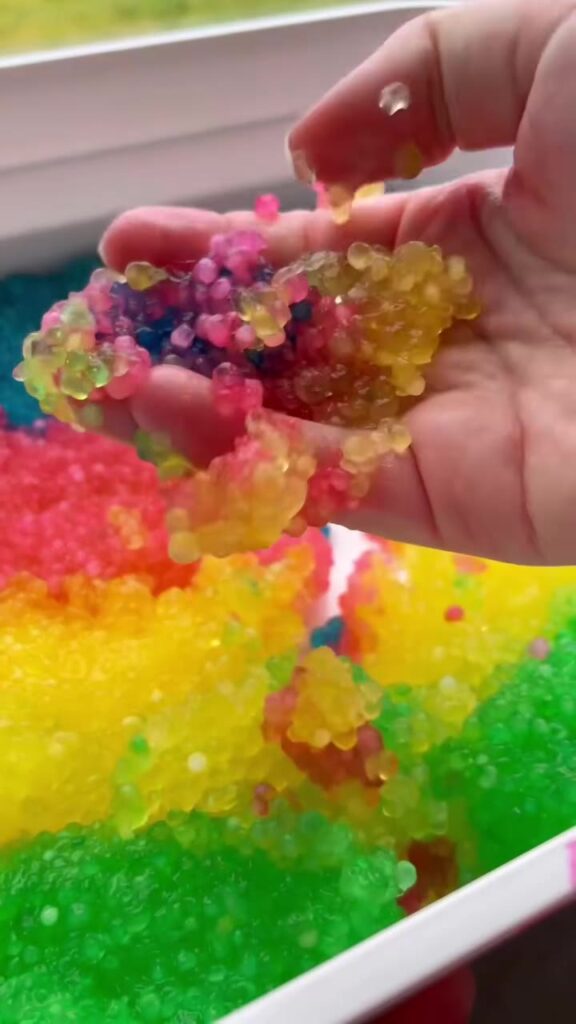
Good news. They CAN eat it. Because it’s tapioca pearls — the same stuff in boba tea. Unlike water beads, which the CPSC has warned (we talk more about keeping kids safe in a digital world too) can cause serious injury or death if swallowed, tapioca pearls are completely food-safe. They’re made from cassava root starch, they’re squishy, they absorb color like magic, and they give you that same satisfying sensory experience without the trip to the ER.
I’ve been making these for my kids for a while now (it’s actually one of my most popular Pinterest pins), and today I’m breaking down exactly how to make a rainbow tapioca sensory bin that’ll keep your toddler busy for a solid 45 minutes. Which, in toddler time, is basically a spa day for you.
Why Tapioca Pearls Are the Best Water Bead Alternative in 2026
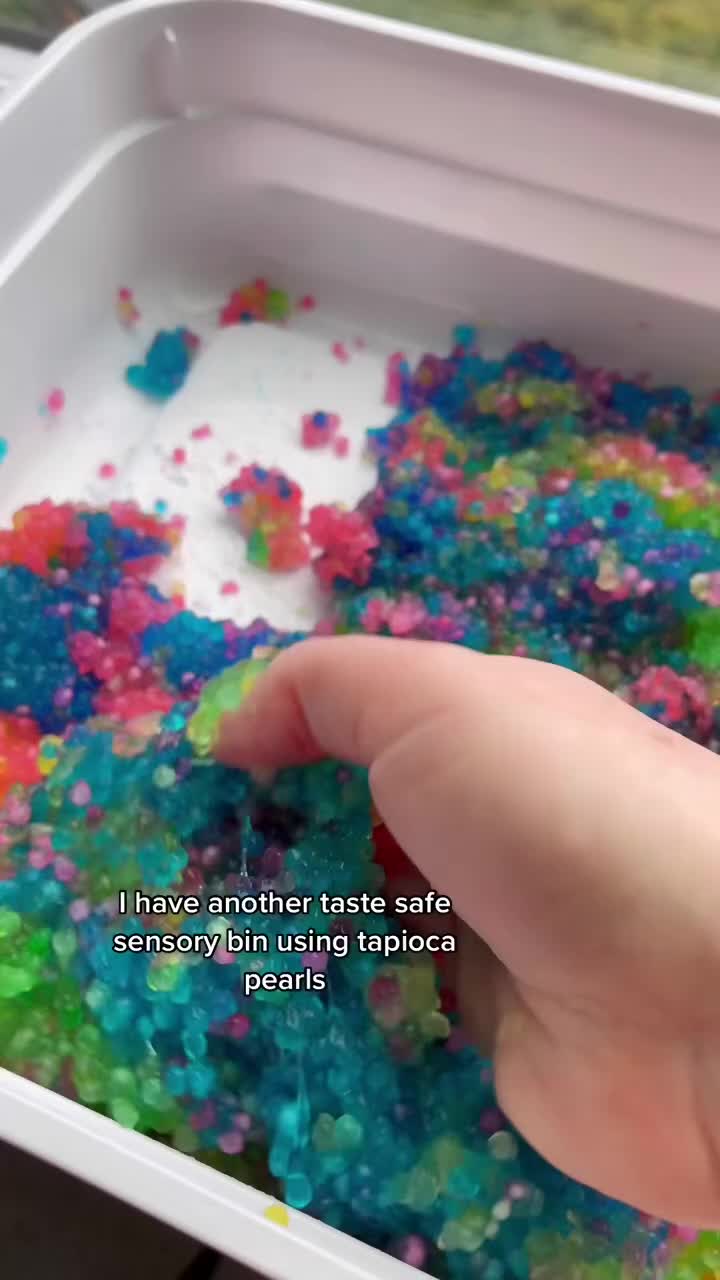
Tapioca pearls are hands-down the safest squishy sensory material you can give a young child. Here’s why they’ve completely taken over the sensory play world:
- 100% taste-safe: Made from cassava starch — the same ingredient in boba tea and tapioca pudding. If your toddler shoves a handful in their mouth (they will), you don’t need to call poison control.
- Water bead texture without the danger: After the CPSC’s warning about water beads causing intestinal blockages, parents have been searching for safer options. Tapioca pearls dissolve naturally and pass through the digestive system.
- Cheap: A $12 bag makes multiple sensory bins. Compare that to buying pre-made sensory kits.
- Easy to color: They absorb food coloring beautifully, so you can make rainbow bins, themed color bins, or holiday bins.
- Great texture variety: Depending on how long you cook them, you can get squishy-bouncy or soft-slimy. Both are sensory gold.
How to Make a Rainbow Tapioca Pearl Sensory Bin (Step-by-Step)
This is my go-to method. It takes about 10 minutes of actual work — the rest is just waiting for them to cook and cool.
What You Need
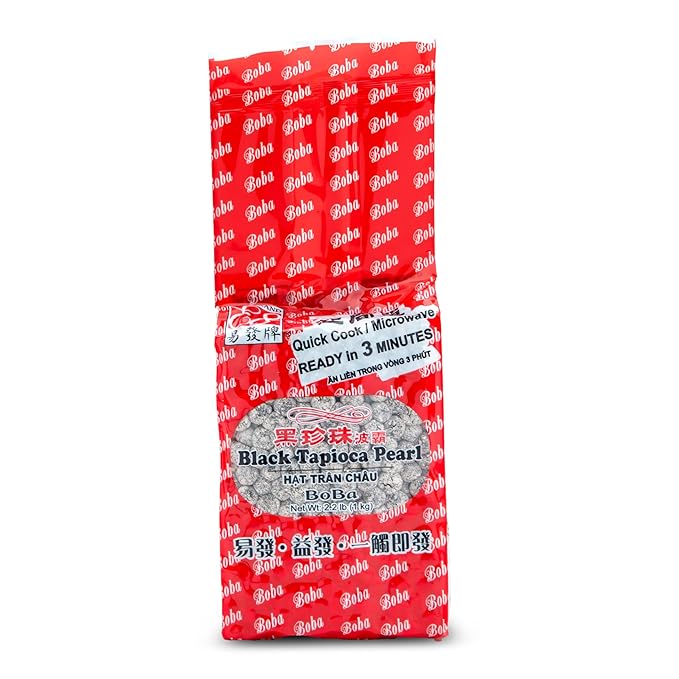
- 1/2 cup dry tapioca pearls (large boba-size work best)
- 4 cups water
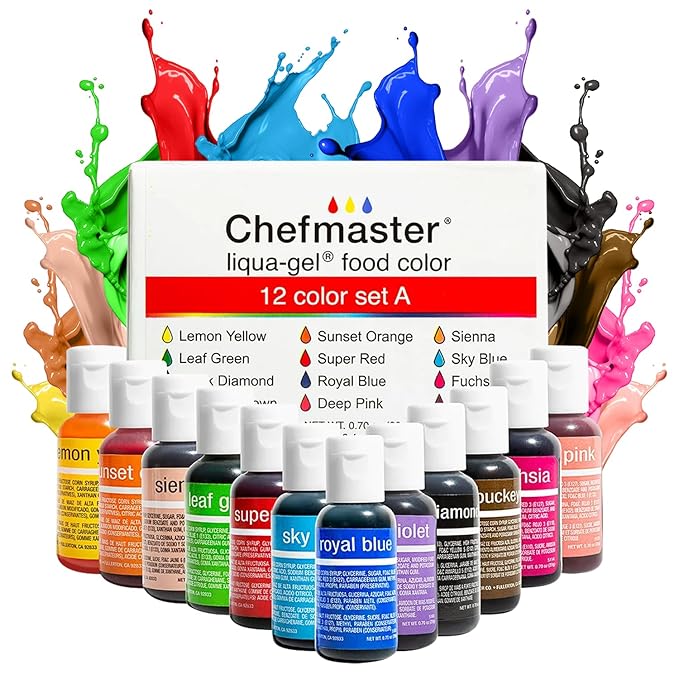
- Food coloring — gel food coloring gives the most vibrant colors
- A large plastic bin or baking tray
- Small bowls for separating colors
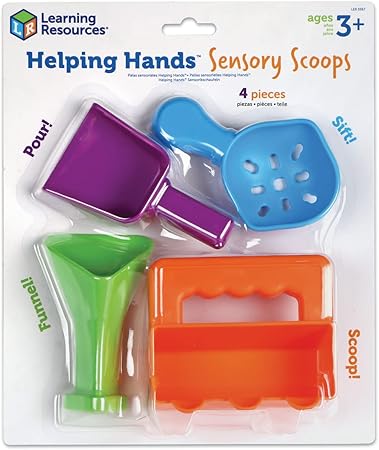
- Optional: scoops, funnels, cups, small toys
Step 1: Cook the Tapioca Pearls
Bring 4 cups of water to a boil. Add the tapioca pearls and stir so they don’t stick to the bottom. Cook until they float (about 5 minutes) or microwave for 5 minutes if your brand allows it. You want them translucent and squishy — not hard and white in the center.
Step 2: Drain and Separate
Drain the cooked pearls and divide them into small bowls — one for each color you want. I usually do 5-6 colors for that full rainbow effect.
Step 3: Add Food Coloring
Drop 3-5 drops of food coloring into each bowl and stir. Gel food coloring works way better than liquid — the colors are more vibrant and you need less. Let them sit for a couple minutes to really absorb the color.
Step 4: Arrange in the Bin
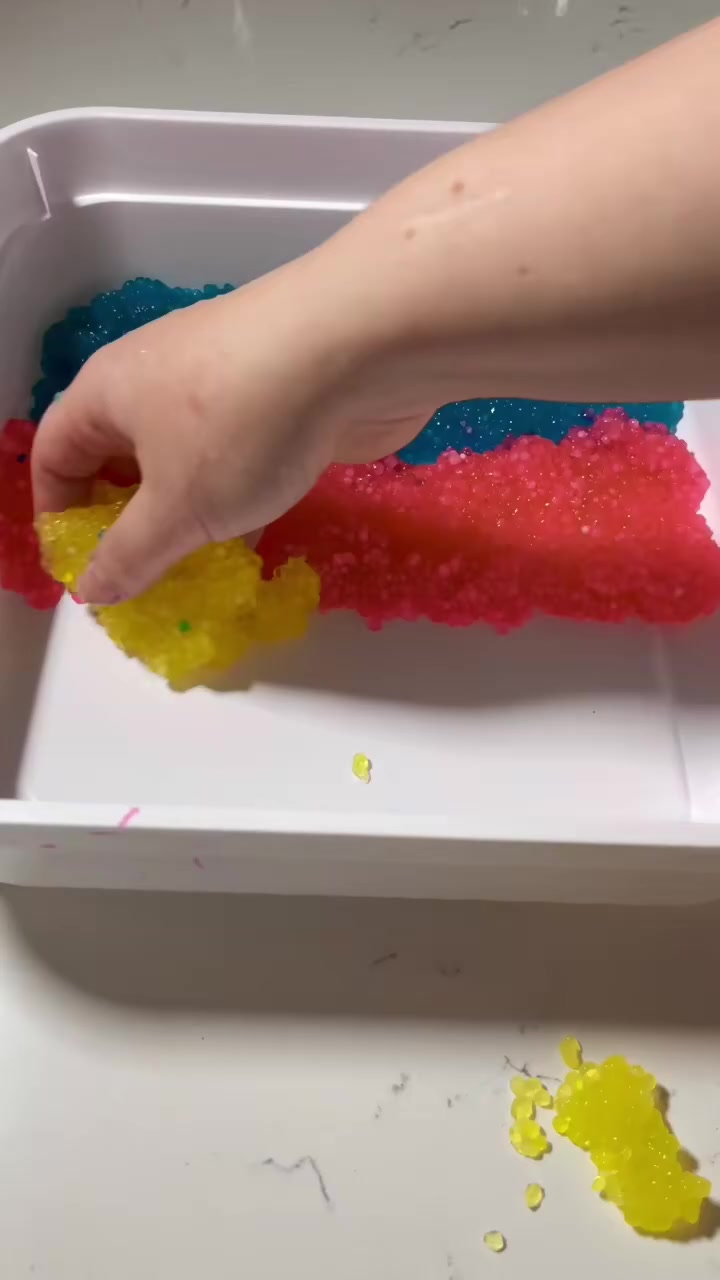
Here’s where it gets fun. I like to lay the colors in stripes or sections in the bin — it looks amazing and the kids love watching the colors mix as they play. You can also dump them all together if you want that mixed jewel-tone look.
Step 5: Let Them Go Wild
Add scoops, cups, funnels, small toys — whatever you have. Then step back and let the sensory magic happen. Fair warning: this WILL get messy. I do this outside on the patio whenever possible, or put a towel under the bin inside.
Are Tapioca Pearls Safe for Babies and Toddlers?
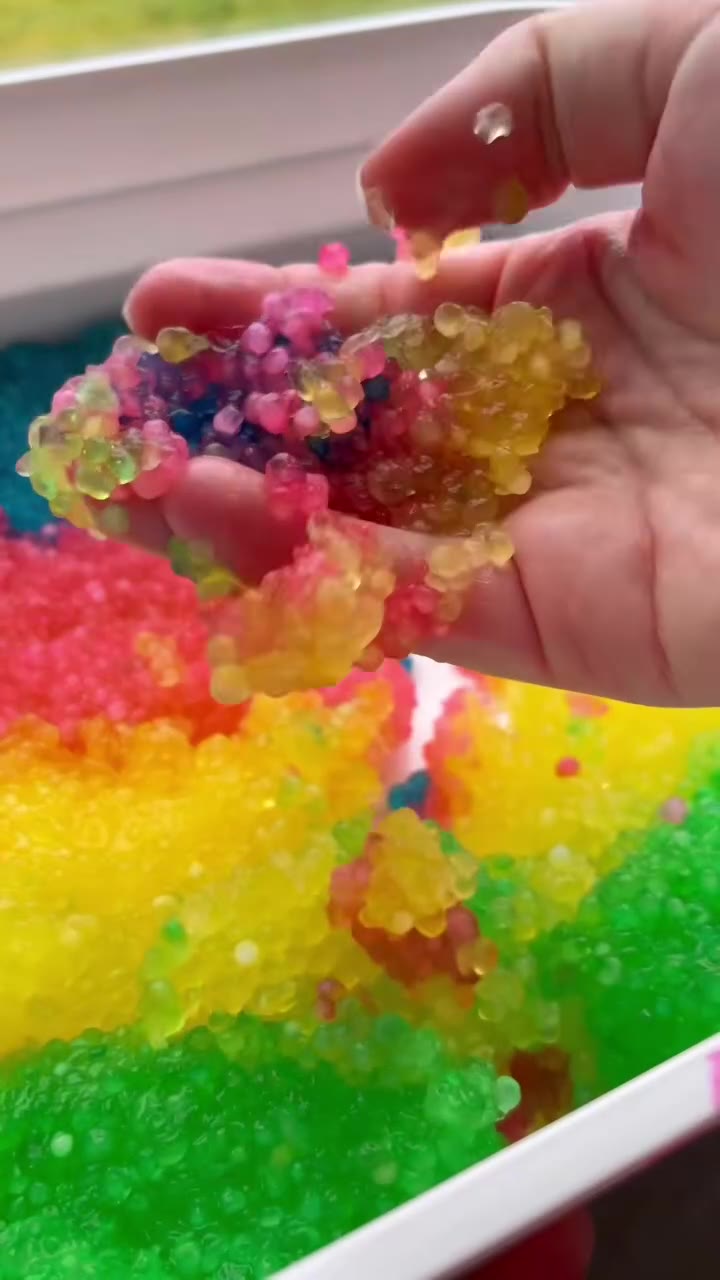
Yes — with a couple caveats. Tapioca pearls are made from cassava starch, which is a food product. They’re the same pearls used in boba tea worldwide. According to the NAPA Center (a pediatric therapy practice), taste-safe sensory fillers like tapioca are recommended for young children who are still mouthing objects.
That said:
- Always supervise. Even though they’re edible, large cooked tapioca pearls can be a choking hazard for babies under 12 months. Use small pearl tapioca for younger kids.
- Check for allergies. Tapioca is naturally gluten-free and allergen-free, but always check the package for cross-contamination warnings.
- One-day activity. Cooked tapioca pearls don’t last. Use them the same day or refrigerate for one more day max. They’ll get moldy if left out — toss them in the trash, NOT down the sink (they clog drains).
5 Sensory Bin Variations to Try
Once you’ve nailed the basic rainbow bin, try these:
- Ocean theme: Blue and green pearls + plastic sea creatures + shells
- Construction zone: Brown and gray pearls + mini dump trucks + rocks
- Galaxy/space: Dark blue, purple, and silver glitter + glow-in-the-dark stars
- Rainbow sort: Separate colors into muffin tin cups — great for toddler color learning
- Frozen theme: Light blue and white pearls + plastic snowflakes + Elsa figurines (instant win)
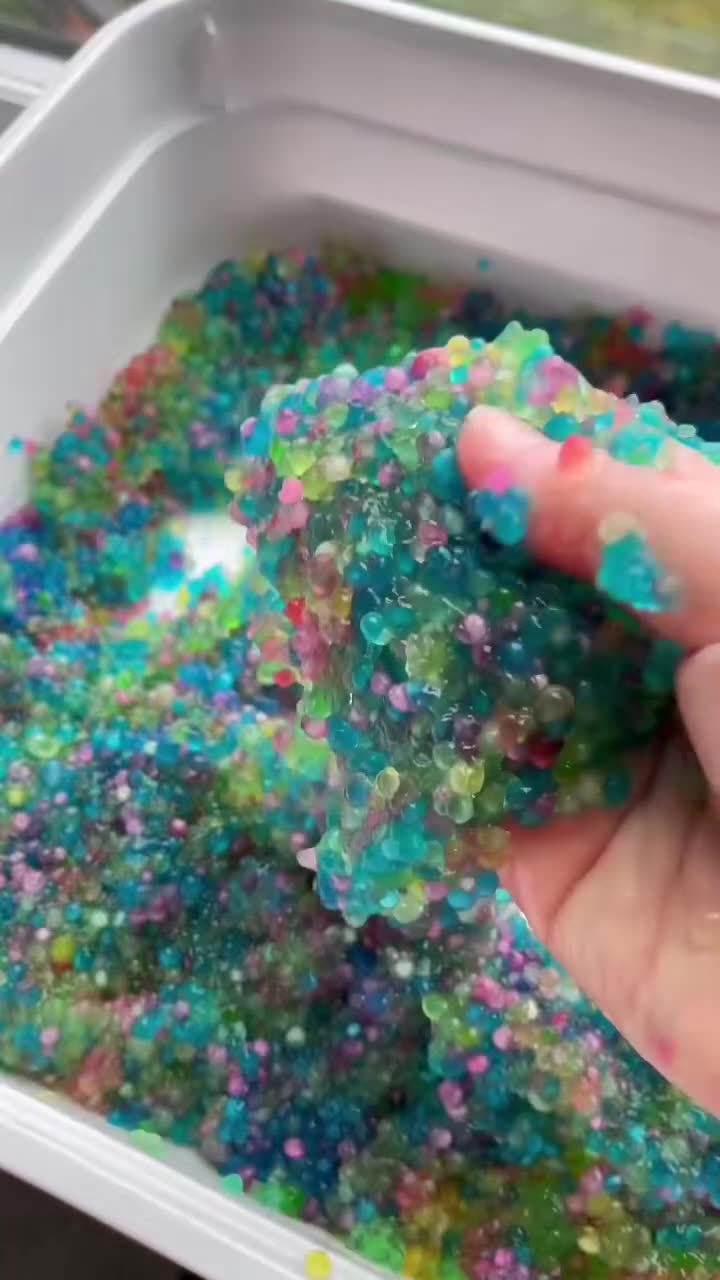
Why Sensory Play Actually Matters (It’s Not Just Mess)
I know it looks like you’re just letting your kid make a mess. But sensory bins are actually doing serious developmental work. According to Teach Beside Me, sensory play like this helps kids:
- Strengthen fine motor skills — all that scooping, squeezing, and transferring builds hand strength
- Practice hand-eye coordination
- Explore scientific concepts — absorption, color mixing, cause and effect
- Develop language — “squishy,” “slimy,” “sticky” are all great descriptive vocabulary
- Build texture tolerance — especially helpful for sensory-sensitive kids or kids with SPD
If you have a child with ADHD or sensory processing differences, activities like this are especially valuable. The deep pressure and tactile input can be genuinely regulating. (I talk more about sensory tools in my post about creating morning routines for ADHD kids.)
Everything You Need to Make This (With Affiliate Links)
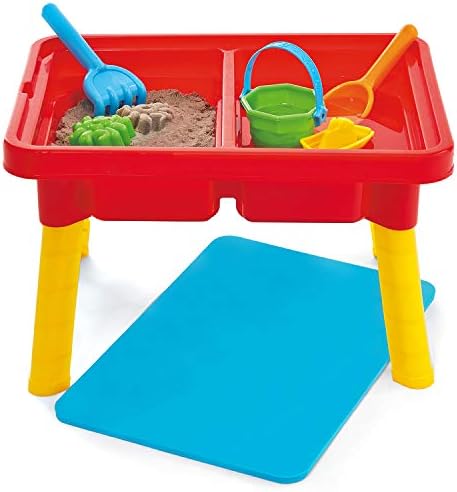
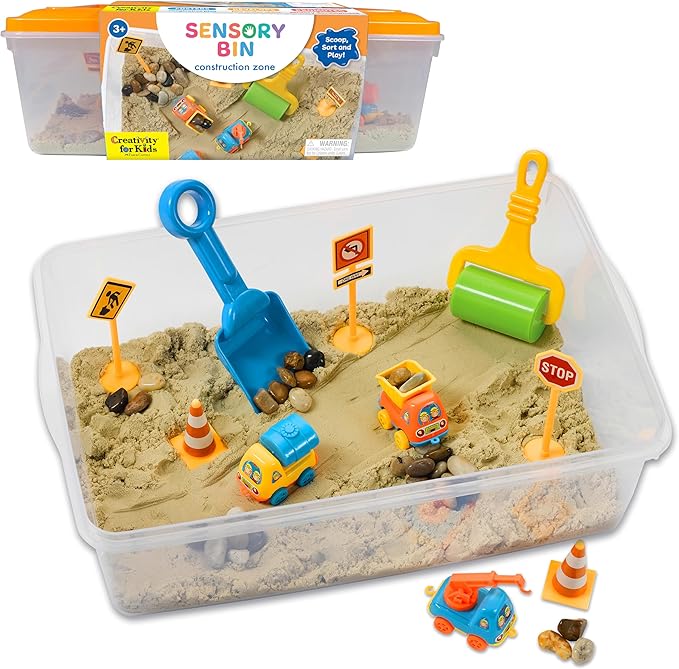
Here’s exactly what I use. I’ve linked everything so you can grab it all in one Amazon order and be set up by tomorrow.
Tips From a Mom Who Has Made This 100 Times
- Do it outside. I cannot stress this enough. Tapioca pearls + food coloring + toddler = your white kitchen towels will never recover.
- Use a baking sheet underneath. Even outside, having a sheet pan or old towel under the bin catches the strays.
- Make it a two-day activity. Day 1: cook and color the pearls (science lesson!). Day 2: play with them. Two activities for the price of one.
- Add dish soap for bonus slime. A tiny squirt of dish soap mixed in makes the pearls even slimier and more satisfying.
- Don’t pour them down the drain. Tapioca pearls expand and WILL clog your pipes. Trash only.
- Refrigerate leftovers. If your kid wants to play again tomorrow, store the pearls in an airtight container in the fridge. They’ll last one more day.
FAQ
Can you use tapioca pearls instead of water beads?
Yes — tapioca pearls are the best taste-safe alternative to water beads. They have a similar squishy texture when cooked but are completely edible, making them safe for toddlers and babies who put everything in their mouths. The CPSC has issued warnings about water beads causing serious harm if swallowed, so tapioca pearls are the go-to swap in 2026.
How long do tapioca pearl sensory bins last?
Cooked tapioca pearls are best used the same day. You can refrigerate them in an airtight container for one more day of play, but after that they’ll get sticky, mushy, or moldy. Always dispose of them in the trash — never down the drain.
What age is a tapioca sensory bin safe for?
Tapioca pearls are taste-safe for babies 6 months and up with supervision. For babies under 12 months, use small pearl tapioca (not the large boba-size) to reduce choking risk. For toddlers 1+ and preschoolers, the large boba pearls are perfect and easier to handle.
Do you have to cook tapioca pearls for sensory play?
Yes — dry tapioca pearls are hard and small. Cooking them is what makes them expand, get squishy, and absorb color. You can boil them on the stove (5 minutes) or microwave them depending on the brand. Some parents also soak small pearl tapioca in cold water for 30 minutes for a different texture.
Can tapioca pearls stain clothes or surfaces?
If you add food coloring, yes — they can stain. Use gel food coloring in small amounts, dress your kid in clothes you don’t care about, and play on a wipeable surface or outside. The staining is temporary on skin but can be permanent on fabric and grout.