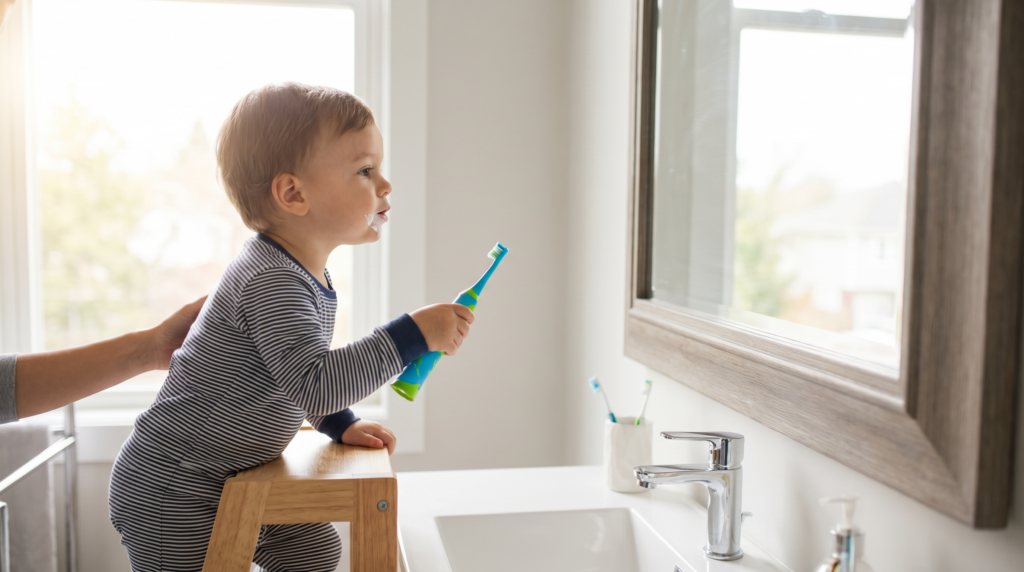
If your ADHD kid won’t brush teeth, you are not alone. For many kids with ADHD, refusing to brush teeth is not about defiance. It is about sensory overload, executive function challenges, and transitions that feel bigger than they look.
In our house, mornings used to feel like a full meltdown over two minutes with a toothbrush. What finally helped was not pushing harder. It was reducing friction and adding structure.

Why Is Brushing Teeth So Hard for Kids With ADHD?
Brushing teeth combines several things that are difficult for ADHD brains:
- Strong sensory input like mint, foam, and vibration
- Task initiation
- Multiple small steps
- Transitions, especially in the morning
- Low emotional regulation before medication kicks in
Brushing teeth is not one task. It is multiple small tasks.
Find the toothbrush.
Put toothpaste on.
Brush the top.
Brush the bottom.
Brush the tongue.
Rinse.
Put it away.
Executive function refers to the brain skills that help us start tasks, remember steps, manage time, and follow through. For kids with ADHD, those skills are still developing. When we say “go brush your teeth,” we are asking their brain to organize multiple steps at once. Breaking it down lowers the cognitive load and makes it easier to follow through.
Mornings before medication can make all of this harder. Emotional regulation is lower. Small discomforts feel bigger. Understanding that helped me stop taking the resistance personally and start adjusting the structure instead.
What Actually Worked in Our House
The biggest shift for us was getting more specific.
“Go brush your teeth” was too general. Instead, I started breaking it down:
Brush the top teeth.
Now brush the bottom teeth.
Don’t forget your tongue.
Rinse.
Put the toothbrush back.
Clear, direct instruction worked better than vague reminders.
We also added a timer. Sometimes it is just a two minute timer on the counter. Sometimes it is a specific song. Predictability helped more than I expected. It gave his brain a clear beginning and end.
Novelty helped too. A new toothpaste flavor. Letting him pick flossers at the store. Switching mouthwash occasionally. ADHD brains are wired for interest. When brushing teeth felt slightly new, resistance softened.
We kept rewards immediate and simple. Not complicated sticker charts. Not long-term prize systems. Just a specific, “You did that even when it was hard.” Sometimes a high five. Sometimes a quick hug. Immediate positive reinforcement worked better than delayed rewards.
And honestly, shortening the task made the biggest difference.
The automatic toothbrush we use brushes the entire mouth at once and only takes about 30 seconds. It lights up and plays a timer song, which adds structure and novelty at the same time. For a kid who struggles with sequencing and sensory overload, reducing brushing teeth from two minutes to 30 seconds lowered resistance significantly.
Tools That Help When Your ADHD Kid Won’t Brush Teeth
Automatic Toothbrush
Shortening the task can reduce overwhelm. The automatic toothbrush we use brushes the whole mouth at once and only takes 30 seconds. It has a built-in timer song and lights, which add structure and novelty.
You can get 5 dollars off the autobrush we use here with my discount code for autobrush.
https://www.tryautobrush.com/BRIANNA32749
Ultra Soft Bristle Toothbrush
Some kids with sensory sensitivity find regular bristles uncomfortable. A very soft brush can make brushing teeth feel less intense.
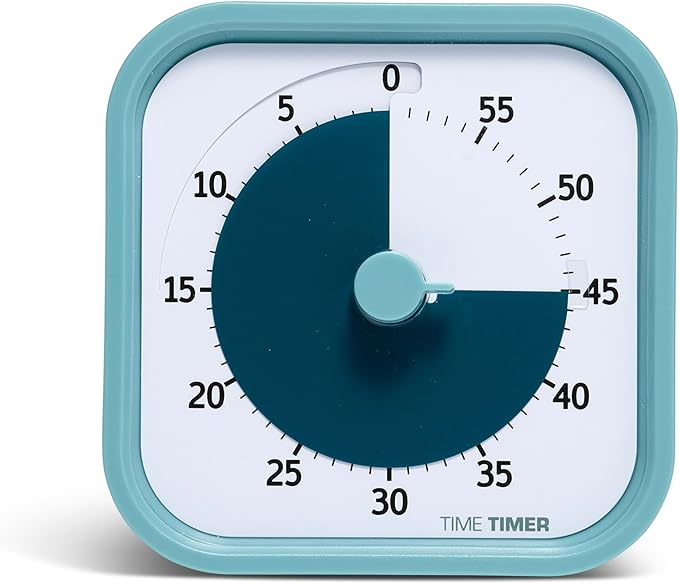
Visual Timer
ADHD brains respond well to visible structure. A simple visual timer makes brushing teeth feel defined instead of endless.
Novelty Options
Letting your kid choose toothpaste flavor or fun flossers can add novelty and a sense of control. Small choices can reduce power struggles.
The right tools will not fix everything on their own. Structure and consistency matter more. But reducing friction makes it easier for your child to succeed.
Tooth brushing meltdowns in kids with ADHD are usually about sensory overload and executive function, not defiance. When you reduce friction, shorten the task, and add structure, resistance often drops.
More Tools That Help With ADHD Toothbrushing
These products pair well with the strategies above. They reduce friction, add novelty, and make brushing feel more manageable for ADHD kids.
Frequently Asked Questions About ADHD and Brushing Teeth
Why does my ADHD kid refuse to brush teeth?
Brushing teeth combines sensory discomfort, transition resistance, and executive function challenges. Strong flavors, foam, and multiple steps can feel overwhelming.
Are automatic toothbrushes better for kids with ADHD?
They can be. Some automatic toothbrushes brush the entire mouth at once and only take about 30 seconds. Shortening the task can reduce resistance. It depends on your child’s sensory profile.
We enjoy the autobrush
What if my ADHD kid refuses to brush teeth before medication kicks in?
Mornings before medication can be the hardest window of the day. Emotional regulation and impulse control are lower. You may need to simplify the task or build stronger consistency at night first.
How long should my kid brush teeth?
Most dentists recommend two minutes. If that feels overwhelming, start smaller and build up gradually. Some automatic brushes shorten the task significantly, which can make it easier to stay consistent.
Should I force my ADHD kid to brush teeth?
Force often escalates emotional regulation struggles. Most kids with ADHD respond better to structure, predictability, and immediate positive reinforcement.
If brushing teeth is just one part of chaotic mornings in your house, I share more ADHD systems and routines.
About the Author
Bri Weimar is a certified teacher and former school counselor with a Master’s degree in school counseling. She lives in a fully ADHD household and shares practical systems built from both professional experience and real life.
As an Amazon Associate, I earn from qualifying purchases. See our full affiliate disclosure.
This post contains affiliate links. If you purchase through my links, I may earn a small commission at no extra cost to you. I only share tools we actually use and love.