
TL;DR: Kids with ADHD feel emotions faster, bigger, and longer than neurotypical kids — and their brains genuinely struggle to pump the brakes. The good news? Emotional regulation is a skill, not a personality trait. With the right tools (zones of regulation, breathing techniques, calm-down kits, and a whole lot of co-regulation from you), your kid can learn to manage big feelings — even if it doesn’t happen overnight.
You’re standing in the kitchen at 4:47 PM. Your kid just got home from school. Within five minutes, they’re on the floor, sobbing at full volume because their snack broke in half.
Sound familiar?
If your child has ADHD, you already know: emotions don’t come in at medium volume. They come in loud. And fast. And completely sideways.
This isn’t a parenting failure. It’s neurobiology. But understanding why ADHD brains struggle with emotional regulation — and having a toolkit that actually works — makes all the difference.
Let’s dig in.

Why Do Kids With ADHD Struggle So Much With Emotional Regulation?
Here’s the thing most people don’t talk about enough: emotional dysregulation isn’t just a behavior problem with ADHD. It’s a brain wiring issue.
According to the Child Mind Institute, ADHD makes it hard for kids to control frustration and focus — their brains have weaker connections between the prefrontal cortex (the “thinking brain”) and the amygdala (the emotional alarm system). That means when something frustrating happens, the alarm fires immediately and the brakes come on way too late.
Dr. Russell Barkley, one of the world’s leading ADHD researchers, describes ADHD as a problem with emotional self-control: kids with ADHD have emotions of the same intensity as other kids, but they have less ability to suppress and regulate their first emotional reaction. They feel it fast, they feel it big, and it takes them much longer to come down.
CHADD also highlights interoception — the brain’s ability to sense internal body signals — as a key piece of the puzzle. Many ADHD kids can’t accurately read their own body cues. They don’t notice they’re getting frustrated until they’re already in full meltdown mode. The warning system is delayed or muffled.
There’s also what ADDitude calls “after-school restraint collapse.” Kids with ADHD spend enormous mental energy holding it together all day at school. By the time they walk in your front door, that energy tank is empty. The safe space of home is where everything spills out — and as the parent, you’re the lucky one who gets to absorb it.
What Does Emotional Dysregulation Actually Look Like in Kids with ADHD?
We’re not always talking about dramatic meltdowns (though those happen too). Emotional dysregulation in ADHD can look like:
- Explosive anger over small frustrations (broken snack, lost game, wrong sock seam)
- Crying that seems out of proportion to what happened
- Difficulty recovering — staying upset long after the incident
- Quick irritability and low frustration tolerance
- Impulsive emotional reactions that they later regret
- Difficulty identifying their own emotions in the moment
- Shutting down completely rather than expressing feelings
According to ADDitude Magazine, emotional dysregulation is a defining characteristic of ADHD — and it often affects family life as much or more than inattention and hyperactivity do.
What Are the Zones of Regulation — and Do They Actually Work for ADHD Kids?
If you haven’t heard of the Zones of Regulation, it’s about to change your life. (No exaggeration.)
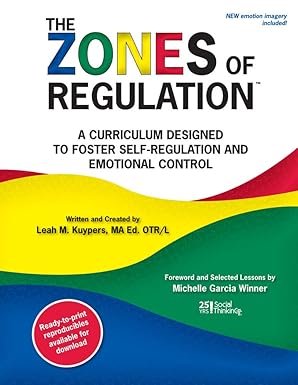
The Zones of Regulation is a framework created by occupational therapist Leah Kuypers that gives kids (and adults) a common language for understanding their emotional state. According to the official Zones of Regulation website, it’s grounded in cognitive behavioral science and is specifically designed to work for neurodivergent learners.
The four zones are:
- 🔵 Blue Zone: Low energy, sad, sick, tired, bored
- 🟢 Green Zone: Calm, focused, happy, ready to learn — the “just right” zone
- 🟡 Yellow Zone: Elevated, silly, nervous, frustrated, wiggly — a warning zone
- 🔴 Red Zone: Overwhelmed, furious, terrified, out of control
What makes it so powerful for ADHD kids is that it builds emotional vocabulary and body awareness before a meltdown happens. Instead of asking “what’s wrong?” (which requires your child to analyze and articulate while dysregulated — nearly impossible), you can ask “what zone are you in?” It’s concrete, visual, and accessible.
As Lumiere Children’s Therapy explains, the Zones of Regulation focuses less on controlling behavior and more on developing universal coping skills. That’s the key difference from traditional discipline approaches.
The definitive guide from creator Leah Kuypers — used by occupational therapists, schools, and ADHD families worldwide. Includes lesson plans, activities, and visuals you can use at home.
Check Price on Amazon →
(affiliate link — I only recommend things I’d use myself)

7 Strategies to Help Your ADHD Child Manage Big Emotions
Here’s what actually works — backed by occupational therapists, ADHD experts, and moms who’ve been in the thick of it.
1. Validate First, Problem-Solve Later
This is the hardest one for parents, and the most important.
When your kid is melting down, the instinct is to explain, redirect, or problem-solve. Resist that urge. A dysregulated brain cannot absorb logic. Before anything else, validate.
“That felt really unfair.”
“You were so frustrated. That makes sense.”
“I can see you’re having a really hard time right now.”
ADDitude Magazine is clear on this: avoid phrases like “You’re being ridiculous” or “Just calm down.” Instead, acknowledge the feeling first. The problem-solving happens after the nervous system has settled.
2. Teach Breathing Techniques (Before the Meltdown, Not During)
Deep breathing is one of the most powerful evidence-based tools for emotional regulation — but it has to be practiced when kids are calm, not when they’re in the Red Zone.
Try these kid-friendly approaches from Connecticut Children’s Medical Center:
- Stuffed Animal Breathing: Lie down, place a stuffed animal on your belly, breathe in to make the animal rise, breathe out to make it fall. Perfect for young kids.
- Flower and Bubbles: One hand holds a pretend flower (breathe in through the nose), the other holds a pretend bubble wand (breathe out slowly through the mouth).
- Box Breathing: Inhale 4 counts, hold 4, exhale 4, hold 4. Great for older kids.
Practice these at calm moments — during bath time, before bed, or just for fun. The more automatic the skill becomes, the more accessible it is when emotions spike.
This weighted stuffed animal is specifically designed to help kids practice belly breathing. Kids can squeeze it, breathe with it, and use it as a comfort object during tough moments. A hands-on tool that makes deep breathing feel like play.
Check Price on Amazon →
(affiliate link)
3. Build Interoceptive Awareness — The “Body Check-In”
Interoception is the brain’s ability to sense what’s happening inside the body — heartbeat, tension, hunger, restlessness. According to CHADD, kids with ADHD often have muffled interoceptive signals. They don’t notice they’re getting frustrated until it’s already a full explosion.
You can build this skill with a simple body check-in routine:
“Let’s check your body. Is your heart going fast or slow? Do your muscles feel tight or loose? Is your tummy feeling nervous?”
Do this at neutral moments — at dinner, in the car — so your child builds the habit of noticing internal signals. Over time, they’ll catch the early warning signs before the Yellow Zone becomes the Red Zone.
4. Create a Calm-Down Kit
A calm-down kit is a small collection of sensory tools that help a child’s nervous system self-regulate. The idea isn’t to reward a meltdown — it’s to give your child concrete tools they can reach for when emotions start to escalate.
Based on research from occupational therapists and ADDitude’s classroom strategies, a good ADHD calm-down kit might include:
- A calm-down jar (glitter sensory bottle — the slow swirling is visually regulating)
- Fidget toys (textured, squeeze-able, or chewable)
- A weighted blanket or lap pad
- Emotion flashcards or a feelings chart
- Headphones with calming music or nature sounds
These mesmerizing glitter jars give kids something calming to focus on when emotions are running high. The slow swirl of glitter naturally guides breathing to slow down and helps shift focus from overwhelm to calm. A staple in every ADHD calm-down kit.
Check Price on Amazon →
(affiliate link)
5. Name the Emotion — Build the Vocabulary
ADHD kids often have limited emotional vocabulary. When everything feels like “fine,” “mad,” or “I don’t know,” it’s hard to problem-solve or communicate needs effectively.
Emotions flashcards and feelings charts are surprisingly powerful tools for this. Using them during calm moments (not meltdowns) helps kids expand their emotional vocabulary and get comfortable talking about feelings before they’re overwhelmed by them.
Try turning it into a game — sort the cards by zone color, act out the emotions, or use them as conversation starters at dinner. ADDitude recommends practicing emotional recognition activities at home regularly to build the skill.
These illustrated feelings flashcards help kids identify, name, and talk about their emotions. Use them to build emotional vocabulary, practice zone identification, or as a starting point for big conversations. Works beautifully alongside the Zones of Regulation curriculum.
Check Price on Amazon →
(affiliate link)
6. Co-Regulate — Your Calm Is the Strategy
This one’s hard to hear, but it’s important: your own nervous system regulation is one of your most powerful parenting tools.
ADDitude explains that children with ADHD are highly susceptible to mirroring the emotional states of the adults around them. When you stay calm, soft-voiced, and regulated during your child’s meltdown, you’re literally helping their nervous system co-regulate.
Practical co-regulation tips:
- Lower your voice instead of raising it
- Get down to their eye level
- Slow your own breathing visibly
- Avoid big movements or sudden actions
- Offer physical closeness (if they want it)
You are the external regulation system for your child until they can build their own internal one. That’s not a burden — it’s biology. And it gets easier.
7. Create Predictable Routines and Warn Before Transitions
ADHD brains struggle with transitions — moving from one activity to another is emotionally costly. According to ADDitude, structure and predictability reduce anxiety and improve emotional regulation for kids with ADHD.
Two strategies that work:
- Five-minute warnings: “In five minutes we’re turning off the game.” Then two minutes. Then one. Never just pull the plug cold.
- Visual schedules: A picture schedule on the wall gives kids a sense of what’s coming next — reducing the surprise factor that triggers dysregulation.

What NOT to Do During an ADHD Meltdown
Just as important as knowing what works is knowing what makes things worse:
- ❌ Don’t reason or lecture during the meltdown — their prefrontal cortex is offline
- ❌ Don’t say “calm down” — if they could, they would
- ❌ Don’t take it personally — this is neurological, not manipulative
- ❌ Don’t punish the emotion — the behavior that comes from it may need a consequence, but the emotion itself is valid
- ❌ Don’t match their energy — if they’re yelling, responding with your own raised voice escalates everything
The goal in the moment is always to de-escalate and reconnect, not to teach a lesson. That part comes later, when everyone is calm.
When Should You Talk to a Professional About Your Child’s Emotional Dysregulation?
If emotional dysregulation is significantly impacting your child’s daily life — school performance, friendships, family relationships — it’s worth having a conversation with their pediatrician or a child psychologist.
The Child Mind Institute recommends several evidence-based approaches for ADHD emotional dysregulation:
- Parent Training Programs (like Parent-Child Interaction Therapy or Parent Management Training)
- Cognitive Behavioral Therapy (CBT) for older kids
- Dialectical Behavior Therapy (DBT) skills groups for emotional regulation and distress tolerance
- Occupational Therapy — especially for sensory and interoception work
You don’t have to figure this out alone. And reaching out for support isn’t giving up — it’s smart parenting.
Looking for more ADHD behavior support? Check out:
- ADHD Behavior Strategies That Actually Work
- How to Handle ADHD Meltdowns Without Losing Your Mind
- Executive Function Skills: Building Independence in ADHD Kids
Product Roundup: Best Emotional Regulation Tools for ADHD Kids
These are the tools I recommend most for building a real emotional regulation toolkit at home:
| Tool | Best For | Link |
|---|---|---|
| Zones of Regulation Book | Building emotional language & self-awareness | Amazon → |
| Feelings Flashcards | Expanding emotion vocabulary | Amazon → |
| Calm Down Sensory Bottle Kit | Visual regulation, focus reset | Amazon → |
| Breathing Buddy Stuffed Animal | Deep breathing practice, comfort | Amazon → |
Frequently Asked Questions: Emotional Regulation and ADHD Kids
Why is emotional dysregulation so common in ADHD?
ADHD affects the prefrontal cortex — the brain’s “brake pedal” for emotions. Kids with ADHD have less ability to pause, reflect, and modulate their emotional responses before reacting. This is neurological, not a behavior choice or a parenting failure.
At what age can ADHD kids start learning emotional regulation skills?
As early as age 3-4 with simple tools like feelings flashcards and basic breathing exercises. The Zones of Regulation is typically introduced around age 4-5. The earlier you start building the foundation, the better — but it’s never too late to begin.
What’s the difference between a tantrum and an ADHD meltdown?
Tantrums are goal-directed — the child is trying to get something they want and typically has some control. An ADHD meltdown is a nervous system overwhelm — the child has genuinely lost the ability to regulate in that moment. Meltdowns aren’t strategic; they’re neurological.
Should I ignore my child’s emotional outbursts to avoid reinforcing them?
Ignoring works for attention-seeking behavior, but not for genuine emotional dysregulation. An ADHD child in the middle of a meltdown needs co-regulation — a calm, grounded adult presence — not absence. Address the behavior after regulation; don’t abandon them during it.
Can medication help with emotional dysregulation in ADHD?
For some kids, yes. ADHD medications (particularly stimulants) can improve emotional regulation by strengthening the brain’s ability to pump the brakes. However, medication isn’t a replacement for skills-based strategies. Most experts recommend a combined approach. Discuss options with your child’s doctor.
How long does it take to see improvement in emotional regulation?
It varies by child and approach. With consistent practice of Zones of Regulation and other strategies, many families notice meaningful improvement within 3-6 months. Progress isn’t linear — expect two steps forward, one step back — but the trajectory gets better.