
You’ve asked your child three times to put on their shoes. They’re spinning in circles, completely in their own world. You feel the frustration rising. And then it happens — you yell.
Sound familiar? If you’re parenting a child with ADHD, you’ve been here. We all have. But here’s what the research tells us: yelling doesn’t just fail to work for kids with ADHD — it actually makes behavior worse.
Children with ADHD are more sensitive to punishment than their neurotypical peers, meaning harsh discipline hits harder emotionally without producing the behavior change you’re looking for. The good news? There are strategies that do work — and they don’t require you to be a perfect, zen-like parent. They just require a shift in approach.
Why Yelling Doesn’t Work for Kids with ADHD
Yelling is ineffective for ADHD kids because their brains are wired differently when it comes to processing consequences. According to the Child Mind Institute, children with ADHD struggle with emotional regulation and are more likely to mirror the intensity of your reaction — so when you escalate, they escalate right back.
Research from the National Institutes of Health shows that ADHD is associated with neurally-based motivational systems that respond poorly to inconsistent, delayed, and weak reinforcement. Punitive approaches like yelling create what clinicians call a “coercive cycle” — where negative interactions between parent and child feed off each other and escalate over time.
The bottom line: your child isn’t choosing to ignore you. Their brain is literally processing your instructions differently.
8 Discipline Strategies That Actually Work
1. Be Brief — Say It Once, Then Stop Talking
The fewer words you use, the more effective they’ll be. Kids with ADHD have difficulty processing long strings of instructions, especially when emotions are running high. According to ADDitude Magazine, you should tell your child once, very clearly, what you expect — then stop talking.
Instead of: “I’ve told you a hundred times to clean up your room! Why can’t you just listen? You always leave everything everywhere and I’m so tired of it!”
Try: “Please put your Legos in the bin. I’ll set a timer for 5 minutes.”
2. Get Their Attention First
Children with ADHD are often so absorbed in what they’re doing that they genuinely don’t hear you calling from the other room. The Mayo Clinic recommends making eye contact or gently touching your child’s arm before giving instructions. Get on their level, make sure they’re looking at you, and then give one clear direction.
3. Use the 5:1 Praise Ratio
For every one correction, aim for five instances of praise. This isn’t about being fake — it’s about rewiring the relationship dynamic. The Mayo Clinic notes that children with ADHD “often receive and expect criticism more than other children,” which tanks their self-esteem over time.
Praise effort, not just results. “I saw you try really hard to wait your turn” matters more than “Good job” — because it tells your child exactly what behavior you noticed.

4. Build Calm-Down Plans Together
Don’t wait until the middle of a meltdown to figure out your strategy. Emora Health recommends creating and practicing calm-down plans when your child is in a good mood. This might include:
- A designated calm-down corner with sensory tools
- Breathing exercises you practice together
- A feelings chart so they can point to how they feel
- A “break card” they can use to signal they need space
When the plan is created collaboratively, kids feel ownership over it — and they’re more likely to use it.
5. Use Logical Consequences (Not Punishments)
There’s a big difference between punishment and consequences. Understood.org explains that logical consequences help kids with ADHD connect their actions to outcomes — something their brains struggle with naturally.
Punishment: “You broke your sister’s toy, so no screen time for a week.”
Logical consequence: “You broke your sister’s toy, so we need to use your allowance to help replace it.”
The consequence directly relates to the behavior, which helps an ADHD brain make the connection.
6. Be a Detective, Not a Judge
This reframe from ADDitude Magazine is a game-changer. Instead of immediately punishing a behavior, ask yourself: what’s the unmet need behind this?
- Are they overwhelmed by too many instructions?
- Do they need a transition warning?
- Are they seeking sensory input?
- Did they simply forget (because ADHD)?
When you understand the “why,” you can address the root cause instead of just reacting to the symptom.
7. Build in Transition Time
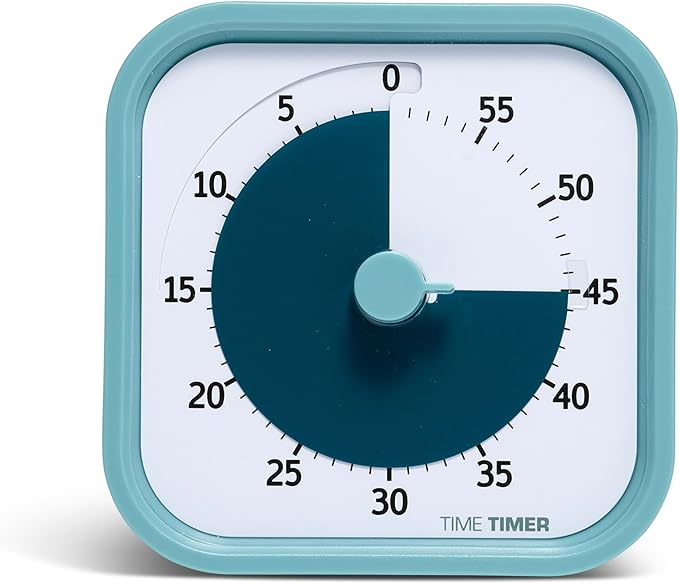
ADHD is associated with time blindness — your child genuinely may not understand what “five more minutes” means. ADDitude recommends using visual timers to “show” your child the passage of time, and building in transition warnings before any activity switch.
Try: “In 10 minutes, we’re leaving for school. When the timer goes off, it’s time to put shoes on.” Then give a 5-minute reminder. Then a 2-minute reminder. It feels like a lot, but it prevents the meltdown at the door. how to discipline a child with ADHD without yelling
8. Stay Consistent (Even When It’s Hard)
Understood.org emphasizes that kids with ADHD may repeat the same behavior over and over — that’s part of ADHD, not defiance. The key is keeping your discipline consistent and predictable every single time.
This is where having a plan matters. When you’ve already decided what the consequence is for a given behavior, you don’t have to make it up in the heat of the moment (which is when yelling happens).
What to Avoid
According to Emora Health and CHADD, these common discipline approaches tend to backfire with ADHD kids:
- Yelling or reacting with strong emotion — they’ll match your intensity
- Vague instructions — “Be good” means nothing to an ADHD brain
- Punishing ADHD symptoms — forgetting homework is not defiance
- Inconsistent consequences — unpredictability creates anxiety
- Harsh punishments that don’t match the behavior — they feel unfair and breed resentment
When to Get Professional Support
If you’re struggling despite trying these strategies, that’s okay — and it’s normal. The Child Mind Institute recommends parent training programs (like Parent-Child Interaction Therapy or Barkley’s Defiant Children program) as one of the most effective interventions. These programs teach you specific techniques in a supportive setting and are backed by extensive research.
Other helpful supports include:
- Cognitive behavioral therapy (CBT) for your child
- Social skills training
- Family therapy
- Talking to your child’s pediatrician about whether medication might help
You’re Not a Bad Parent
If you’ve yelled — join the club. Every single ADHD parent has been there. The fact that you’re reading this article means you care enough to find a better way. And that’s what matters.
Discipline with ADHD isn’t about being perfect. It’s about being consistent, calm enough (not perfectly calm — just calmer than yesterday), and remembering that your child’s brain works differently. They’re not giving you a hard time. They’re having a hard time.
And when you slip up? Apologize, reset, and try again. That’s the most powerful thing you can model for your kid.
Helpful Tools for ADHD Discipline at Home
These are some tools that support the strategies described above. Building structure and calm-down systems is much easier when you have the right props ready.
Disclaimer: This content is for informational purposes only and is not a substitute for professional medical advice. Always consult your child’s pediatrician or a qualified mental health professional for guidance specific to your family. See our full disclaimer.
Frequently Asked Questions
Why doesn’t yelling work for kids with ADHD?
Children with ADHD have brains that process consequences differently. Research shows they are more sensitive to punishment, and yelling triggers a “coercive cycle” where negative interactions escalate on both sides. Calm, clear, consistent communication is far more effective.
What should I do instead of yelling at my ADHD child?
Use brief, clear instructions (one direction at a time). Get their attention first with eye contact. Praise good behavior five times more than you correct bad behavior. Use logical consequences instead of punishments, and build calm-down plans together when everyone is regulated.
Is it normal for ADHD kids to repeat the same misbehavior?
Yes. Repeating the same mistakes is a hallmark of ADHD, not intentional defiance. Their brains struggle with working memory and impulse control. Consistent structure and patience are key — they will improve over time with the right support.
When should I seek professional help for my child’s behavior?
If you’ve tried consistent strategies at home and your child’s behavior is still significantly impacting family life, school performance, or friendships, it’s time to talk to a professional. Parent training programs, cognitive behavioral therapy, and medication are all evidence-based options.
How do I discipline my ADHD child without damaging their self-esteem?
Focus on praising effort over outcomes, separate the behavior from the child (“that was a bad choice” vs. “you’re a bad kid”), and use empathetic boundaries. Research shows that children with ADHD who receive consistent praise alongside clear boundaries have better self-esteem and fewer behavioral problems.
As an Amazon Associate, I earn from qualifying purchases. See our full affiliate disclosure.